Choosing an affordable rear shock that still delivers solid damping and reliable performance can transform your mountain biking experience. This guide highlights five budget-friendly rear shocks that fit a range of bikes—from XC to heavier e-bikes—without breaking the bank. Each option emphasizes straightforward adjustability, solid construction, and dependable performance on rugged trails.
| Product | Brand | Eye-to-Eye | Key Benefit |
|---|---|---|---|
| Mountain Bike Rear Shock Absorber Coil+ Oil | WROASLTOUX | 165mm | Preload and rebound adjustments for varied terrain |
| DNM AO-39RC MTB Rear Shock | MEROCA | 165x35mm (and other sizes) | Rebound, lockout, and air pressure adjustments |
| CNCLOL Mountain Bike Rear Shock | CNC | 120x15mm up to 200x60mm | Wide size range and oil-spring damping |
| JFOYH Coil+Oil Shock Absorber | JFOYH | 125mm to 190mm variants | Adjustable rebound and preload |
| DNM AO-6 Mountain Bike Air Rear Shock | MERoca | 100x9mm up to 190x51mm | Adjustable air pressure with high psi capability |
WROASLTOUX 165mm Coil Rear Shock

The 165mm MTB rear shock from WROASLTOUX is designed to fit a wide range of mountain bikes and some e-bikes. It uses a hydraulic coil setup with a 350 lbs spring, providing stable support on rough terrain. Preload and rebound adjustments help tailor the ride to rider weight and trail conditions, improving comfort and control without a high price tag. This model emphasizes robust construction with CNC steel components for durability.
MEROCA DNM AO-39RC Rear Shock
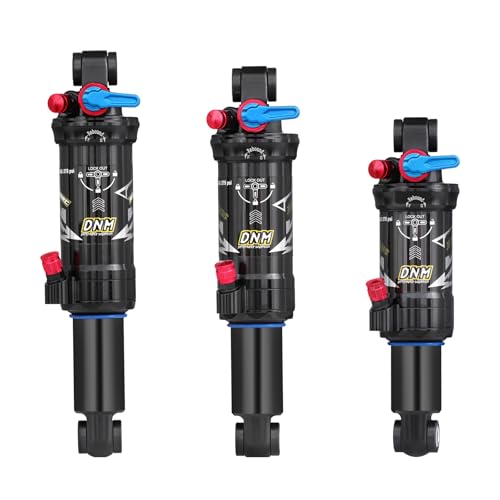
This air rear shock offers multiple travel lengths including 165x35mm, 190x50mm, and 200x55mm, with rebound, lockout, and air pressure adjustments. Built with durable aircraft-grade alloys and a 7075-style shaft, the AO-39RC aims to balance performance and value. It suits XC and trail riding, providing a versatile upgrade path for riders seeking more tunable damping without a premium price.
CNCLOL Hydraulic Rear Shock (120–200mm)

Designed for a wide range of MTB frames, this CNCLOL rear shock covers travel options from 120mm to 200mm. It uses an oil-damped hydraulic system with a variety of eye-to-eye lengths and a substantial load rating. The interface is suitable for riders seeking reliable, low-cost performance and the ability to upgrade a bike with a modern coil/spring-like feel.
JFOYH Adjustable Damping Rear Shock

JFOYH offers a range of rebound-adjustable rear shocks with a configurable preload feature. The red rebound knob allows quick changes to damping speed, while the black preload knob accommodates rider weight and terrain. This model supports 125mm to 190mm travel, making it adaptable for different bike geometries and riding styles, at a budget-friendly price point.
DNM AO-6 Air Rear Shock
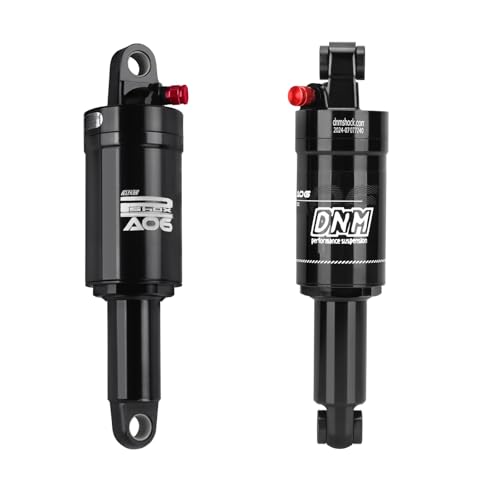
DNM AO-6 provides a compact air-based rear shock with a high 250 psi capability and multiple eye-to-eye options from 100x9mm up to 190x51mm. Aluminum alloy construction offers corrosion resistance and reduced weight. It is suitable for riders seeking straightforward air adjustment with a wide range of compatibility across MTB and even some folding bikes or light-duty e-bikes.
CNCLOL 120–200mm Rear Shock

This CNCLOL model covers a broad travel range and shares a similar oil-spring damping approach with the other CNC shocks listed. It’s designed for mountain bikes, e-bikes, and other trail-oriented rigs, offering a budget-friendly path to improved ride quality and stability on variable terrain.
Buying Guide: Key Considerations For Budget MTB Rear Shocks
- Travel length and eye-to-eye compatibility: Ensure the shock’s length matches your frame’s mounting points and desired ride height. Common lengths for MTBs range from 120mm to 200mm of travel.
- Spring type: Coil vs air vs hydraulic-damped coils. Coil shocks tend to feel more progressive and durable on rough trails, air shocks are lightweight with easy pressure adjustments, and hydraulic dampers provide consistent control across speeds.
- Adjustability: Look for preload, rebound, and lockout options. More knobs generally translate to finer tuning for weight, terrain, and riding style.
- Durability and build quality: Aluminum bodies and CNC-machined components often yield better longevity. Verify mounting hardware compatibility (bushings and screws).
- Weight and compatibility: Heavier riders or carga from gear may benefit from stiffer springs or higher-rated dampers. Check manufacturer specifications for maximum rider and load limits.
- Maintenance and serviceability: Some models offer easier lubrication and service options. Consider availability of replacement parts and local support.
- Budget vs performance: While low-cost shocks deliver improvements over stock setups, verify that the selected model’s damping range suits your typical trails and riding style.
As an objective overview, these budget-friendly rear shocks provide multiple choices for riders seeking improved traction, control, and comfort without premium prices. When choosing, prioritize compatibility with your frame, preferred travel, and the level of adjustability you actually plan to use on your usual trails.