Discover a curated set of high-performance electric bikes that blend raw power, rugged capability, and practical features for the American rider. This guide highlights five top picks that push the boundaries of speed, range, and all-terrain comfort, including models with integrated power hubs and off-grid flexibility. Read on to compare specifications, ride experiences, and key considerations when choosing a world-class e-bike.
Summary Table Of Chosen Products
- Wallke H9 ULTRA 2-in-1 Electric Bike: 4000W peak, 40 MPH, 180 mile range, 20″ fat tires, torque sensor, dual safety certifications
- Wallke H7 Ultra 2-in-1 Portable Power Station Ebike: 4000W peak, 40 MPH, long-range, 20″ fat tires, solar-ready
- CTVVXXC 7500W Peak Dual Motor Ebike: 46 MPH, 100 miles, 24″ fat tires, IP-rated battery
- EcoE 6000W Dual Motor Electric Bike: 52 MPH, 26×4 fat tires, full suspension, SHM 7-speed
- RPINT Electric Mountain Bike: 1500W peak, 28-35 MPH, 20×4 fat tires, removable 48V battery
Wallke H9 ULTRA 2-in-1 Electric Bike

The Wallke H9 ULTRA combines ride performance with a portable power hub, offering an off-grid power station capability in a single e-bike. It features a true 2000W rated output with 4000W peak power and a top speed around 40 MPH. The bike emphasizes a single-motor design for reliability and includes torque-sensing for responsive acceleration on diverse terrains. Builders highlight UL2849/UL2771 certifications for safety and consistent performance across long rides, without resorting to exaggerated “peak” numbers.
Riders benefit from a robust 48V, 55Ah setup for extended range on mixed routes, while 20″ fat tires and air suspension provide comfort on rough surfaces. The two-in-one concept aims to replace two devices with one versatile platform, potentially reducing overall ownership costs. Real-world ride feel favors steady power delivery and predictable handling rather than flash-in-the-pan specs.
Key points to evaluate include battery health, the balance of weight for portable use, and how the torque sensor translates into managable hill climbs and city commutes. The 8-year craftsmanship claim and large rider base provide a sense of tested reliability, though purchasers should review current firmware updates and safety certifications for their region.
Wallke H7 Ultra 2-in-1 Portable Power Station Ebike
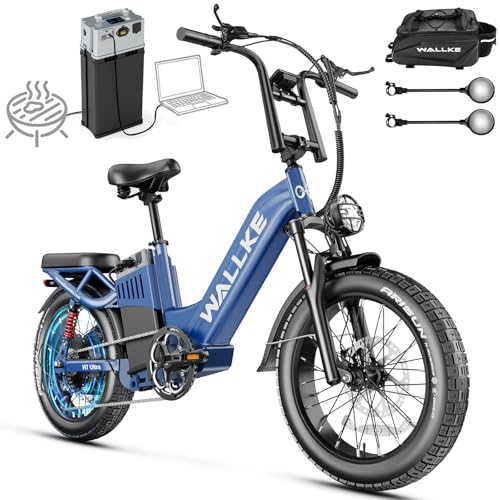
The Wallke H7 Ultra expands the dual-role concept with a 2000W rated output and a high-performing torque sensor. At roughly 40 MPH, this model is designed for riders seeking aggressive performance on urban streets and light off-road trails. The 20″ fat tire setup supports traction across mixed surfaces, with a focus on stable handling at speed. The power hub concept again combines mobility with energy generation potential, offering a practical off-grid use case for longer trips.
Potential buyers should consider compatibility with charging options, the battery’s behavior in extreme temperatures, and the ease of switching between ride modes. The H7 Ultra’s durability hinges on keeping up with weather exposure and proper maintenance of the power-management system, especially if you rely on the on-board generator functionality for camping or remote rides.
CTVVXXC 7500W Peak Dual Motor Ebike
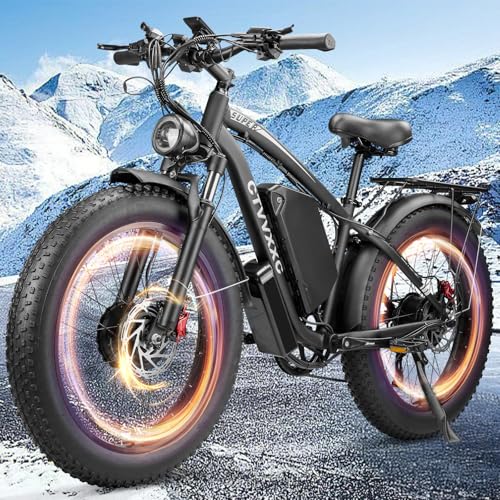
This model emphasizes extreme power with dual 3750W peak motors delivering up to 7500W total output. A 52V, 34Ah battery supports long-range riding, with a focus on performance across challenging terrains. The 24×4.0 fat tires and IP-rated battery design make it suitable for deep snow, sand, and mountains, while the 46 MPH top speed targets enthusiasts who value rapid acceleration and sustained pace for commutes or recreational rides.
Considerations include battery management in hot or cold conditions, the complexity of dual-motor control, and maintenance requirements for dual-drive configurations. The rugged construction aims to provide resilience on off-road routes, but payload and rider weight can influence range and handling at high speeds. Comprehensive warranty terms and service availability are important to verify before purchase.
EcoE 6000W Dual Motor Electric Bike

The EcoE model targets high-speed capability with a 6000W dual-motor setup and a 52MPH class top speed. A 60V 32Ah battery powers extended rides, and the 26×4 fat tires paired with full suspension are designed for all-terrain comfort. The SHM 7-speed gearing offers practical versatility for varying gradients and terrain types, while a broad accessory package enhances daily usage with racks and mounts for essentials.
Important notes cover LCD parameter settings and battery charging planning. Potential buyers should assess the trade-off between high power and overall weight, as well as how the bike performs in real-world wind, incline, and temperature conditions. Availability of spare parts and local service centers can influence long-term satisfaction with high-end builds like EcoE.
RPINT Electric Mountain Bike
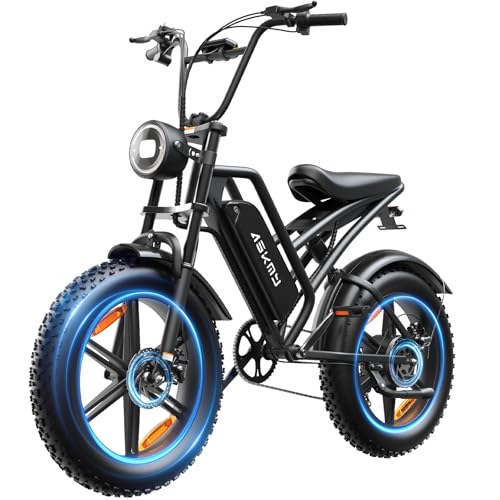
RPINT offers a 1500W peak motor with solid off-road capabilities, delivering up to 28-35 MPH depending on terrain and rider weight. The bike features a 20×4 inch fat tire setup with hydraulic suspension, which improves stability on rocky or uneven paths. A removable 48V 15Ah battery supports a 40-60 mile range in pedal assist mode, making it suitable for longer weekend rides or trail excursions.
Key considerations include the balance between peak performance and battery life, ease of battery removal for charging, and how well the bike copes with mud, sand, or steep grades. The included accessories and safety features like lighting, racks, and turn signals also contribute to practical day-to-day use for riders who mix commuting with outdoor adventures.
Buying Guide: Key Purchase Considerations For High-Performance E-Bikes
- Power and motor design: Single-motor setups can offer reliable, consistent power, while dual-motor systems provide peak output for rapid acceleration and steep climbs. Consider your typical riding terrain and preferred speed range.
- Battery capacity and range: Look for the voltage, amp-hour rating, and expected range in pedal-assist vs. full-electric modes. Temperature performance and charging options affect real-world range.
- Frame and suspension: Full suspension improves comfort on rough trails, while rigid frames may suffice for city commuting. Fat tires enhance stability and traction on mixed surfaces.
- Safety certifications: Certifications like UL2849/UL2771 indicate higher safety standards. Verify local compliance and after-sales support in your region.
- Maintenance and reliability: Simpler drive systems with fewer moving parts can reduce maintenance costs. Consider the availability of parts and service networks.
- Weight and handling: Heavier bikes offer stability at high speeds but can be harder to maneuver in tight spaces. Ensure the bike matches your strength and storage options.
- Accessories and ecosystem: Racks, lights, and compatibility with solar or portable power options add versatility. Check warranty terms and included accessories.
- Price-to-performance balance: Extremely high power can come with additional weight and complexity. Align features with your actual riding goals and budget.