Choosing the right conventional motor oil helps protect engine components, maintain performance, and extend engine life. This guide highlights top conventional oils from trusted brands, focusing on deposit control, wear protection, and viscosity options that suit a wide range of American cars and trucks. The featured products include blends designed to withstand temperature swings, sludge buildup, and cold starts while delivering reliable lubrication.
| Product | Brand | Viscosity | Key Benefit |
|---|---|---|---|
| Castrol GTX 10W-30 Conventional Motor Oil, 5 Quarts | Castrol | 10W-30 | Advanced protection against viscosity and thermal breakdown |
| Castrol GTX 10W-40 Conventional Motor Oil, 5 Quarts | Castrol | 10W-40 | Superior protection against engine sludge |
| Valvoline Daily Protection 10W-30 Conventional Motor Oil 5 Quart | Valvoline | 10W-30 | Everyday protection against wear, deposits, and sludge |
| Castrol GTX 20W-50 Conventional Motor Oil, 5 Quarts | Castrol | 20W-50 | Maximum protection and TriShield deposit protection |
| Pennzoil 10W-30 Motor Oil, 1 Quart | Pennzoil | 10W-30 | Keeps engines clean and responsive; proven wear protection |
Below are five conventional oils selected for broad compatibility, reliability, and value. Each product section highlights what makes it a solid choice for typical American engines, with practical notes on viscosity selection, protectants, and maintenance considerations.
Castrol GTX 10W-30: All‑Around Protection

Castrol GTX 10W-30 Conventional Motor Oil is designed for everyday driving with a focus on endurance against viscosity and thermal breakdown. This oil emphasizes superior protection against engine sludge, helping to keep internal clearances optimal and engine parts moving freely. The formulation uses premium base oils and anti-wear additives to help extend engine life, especially in older or higher-mileage vehicles that demand reliable lubrication across seasons. It suits typical American cars that specify 10W-30 and seek dependable performance in varying climates.
Castrol GTX 10W-40: Extra Cold-Start Assurance

Castrol GTX 10W-40 is formulated for broader temperature tolerance and improved protection during cold starts and high-temperature operation. The 10W-40 viscosity helps maintain an effective film at higher engine temperatures, reducing friction and wear. It carries Castrol’s emphasis on minimizing sludge buildup with robust detergents and deposit control. This option is well-suited for engines experiencing heavy use or climates with hotter summers and frequent stop-and-go driving, where a higher viscosity at operating temperature can help maintain oil film integrity.
Valvoline Daily Protection 10W-30: Everyday Confidence
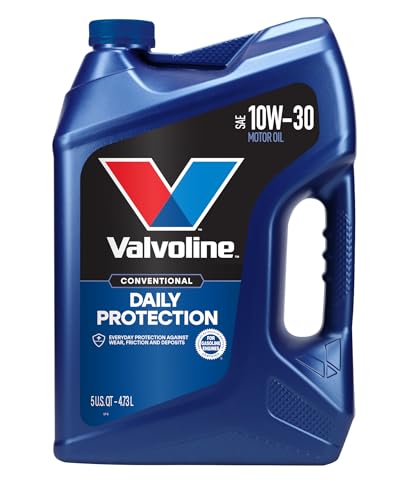
Valvoline Daily Protection 10W-30 Conventional Motor Oil is geared toward everyday wear defense. Its formula targets deposits and sludge formation, common culprits of engine inefficiency and reduced protection during longer intervals between changes. The oil flows well in colder temperatures to minimize wear at cold starts, while maintaining stability at higher temperatures. This makes it a practical choice for daily drivers in mixed climates that require reliable, consistent lubrication without special additives.
Castrol GTX 20W-50: For High‑Load Conditions

Castrol GTX 20W-50 is designed for engines that operate under high-load or hot-weather conditions, where thicker oil can provide a robust protective coating. Its TriShield technology targets deposit formation and friction reduction, supporting engine integrity under demanding use. This viscosity is common in classic or performance engines and in older vehicles that call for a thicker oil to maintain pressure and lubrication when components wear and clearances widen with age or heavy use.
Pennzoil 10W-30: Clean And Responsive

Pennzoil 10W-30 Motor Oil focuses on keeping engines clean and responsive. It provides proven wear protection (based on Sequence IVA tests) and helps prevent dirt and contaminants from turning into deposits that throttle engine performance. This makes it a strong option for drivers who want reliable protection and smoother operation across typical driving cycles, including frequent stops and starts and moderate highway use. It pairs well with many modern gasoline engines still calling for 10W-30 viscosity in certain climates and models.
Buying Guide: Key Considerations For Conventional Motor Oil
When selecting a conventional motor oil, consider viscosity, engine age, climate, and driving style. The right viscosity ensures an adequate lubricant film during cold starts and under high temperatures. Engines with high mileage or older tolerances may benefit from slightly thicker oils, while newer engines often perform well with standard 10W-30 grades. Detergency, anti-wearing properties, and deposit control play a major role in engine cleanliness and longevity. Always cross-check the vehicle’s owner’s manual for approved viscosity ranges and oil service intervals.
Consider these perspectives to guide a decision:
- Climate and driving: In very cold regions, a thinner oil can reduce wear on startup; in hot climates, a thicker oil at operating temperature can help maintain film strength.
- Engine type and age: Older engines with higher clearances may benefit from thicker oils like 20W-50; newer engines typically prefer 10W-30 or 5W-30 where specified.
- Oil change intervals: Conventional oils generally support standard interval ranges, but severe driving or heavy loads may require more frequent changes to maintain protection.
- Detergency and sludge control: Oils with robust detergents help minimize deposit buildup, which supports fuel efficiency and throttle response.
- Availability and value: Availability of quart vs. multi-quart containers, and the balance between upfront cost and maintenance needs, influence long-term value.
For most everyday American driving, selecting a 10W-30 or 10W-40 conventional oil from a trusted brand provides reliable protection, good sludge resistance, and compatibility across a wide range of vehicles. When in doubt, refer to the owner’s manual and choose an option that aligns with the recommended viscosity and maintenance schedule.