The right block sealer can save time and money by stopping leaks in radiators, engine blocks, and head gaskets without a full rebuild. This guide compares top options popular with American drivers, focusing on compatibility with various cooling systems, ease of use, and potential longevity. Each product below is drawn from reputable brands and designed to work with common automotive materials like plastic, aluminum, and cast iron. Review these picks to determine which block sealer best fits your vehicle’s needs.
| Product | Brand | Form | Best For |
|---|---|---|---|
| Hapco Heavy Duty Block Sealer (Pack of 2) | Hapco | Liquid | Multiple leaks, durable seal |
| K&W 401016 Block Seal Permanent Metallic | CRC | Liquid | Permanent seal for blocks, radiators, head gaskets |
| BlueDevil Radiator & Block Sealer | BlueDevil | Liquid | Permanent repair for radiator and block leaks |
| Bar’s Leaks 1109 Liquid Copper Block Seal | Bar’s Leaks | Liquid | One-step permanent seal, antifreeze compatible |
| K-Seal ST3501 Pour and Go Head Gasket Sealer | K-Seal | Liquid | Permanent seal for blown head gaskets and cracked blocks |
Hapco Heavy Duty Block Sealer (Pack of 2)

Hapco’s Heavy Duty Block Sealer is designed to work with various antifreeze types and is formulated to avoid plugging heater cores. It is safe for both plastic and aluminum cooling components, making it a versatile option for many engine configurations. The product is offered as a pack of two, which provides extra value for multiple applications or future maintenance. Its sealing performance targets leaks originating from cracks and porosity in cooling passages while remaining compatible with standard radiator systems used in many American vehicles.
K&W 401016 Block Seal Permanent Metallic
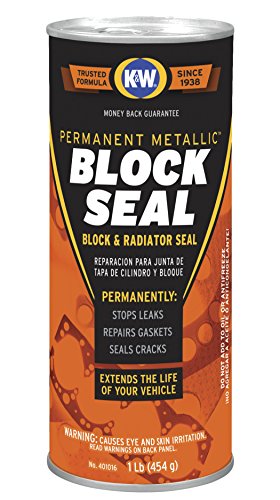
CRC’s K&W 401016 offers a permanent metallic sealer designed to form a strong molecular bond that can seal cracks and holes across cast iron and aluminum engine blocks, head gaskets, freeze plugs, and radiators. It is suitable for all water-cooled engines in gasoline and diesel vehicles. The claim of a durable seal aligns with long-term leak prevention, though users should ensure compatibility with their cooling system materials and avoid overuse in engines with sensitive components.
BlueDevil Radiator & Block Sealer

BlueDevil’s Radiator & Block Sealer provides a permanent repair for leaks in radiators and engine blocks. It is designed to work with plastic, aluminum, and metal radiators and contains no solid fibers that could clog passages. The formulation emphasizes a long-lasting seal without introducing particulates into the cooling system, making it a straightforward option for those seeking a reliable fix without extensive disassembly.
Bar’s Leaks 1109 Liquid Copper Block Seal

Bar’s Leaks 1109 uses a liquid copper formula designed to permanently seal cooling system leaks. The product claims antifreeze compatibility with minimal or no draining required, leveraging a sodium silicate-based sealing action that penetrates leaks in multiple areas, including blocks, heads, gaskets, and radiators. It is positioned as a simple, one-step solution suitable for many vehicles where leakage is within the sealable range.
K-Seal ST3501 Pour and Go Head Gasket Sealer
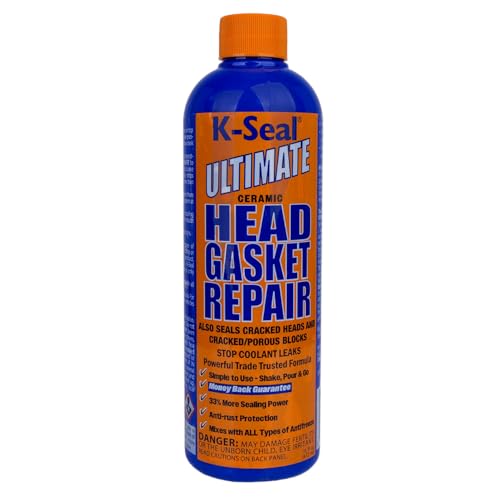
K-Seal ST3501 emphasizes a permanent repair approach with 33% more sealing power than standard formulas. It targets blown head gaskets, cracked heads, and porous blocks with a ceramic micro-fiber formulation that can seal leaks up to 0.64 mm. The product is noted for its ease of use—no draining or flushing required—though it is recommended to follow engine operating guidelines for best results and to use an appropriate amount for larger engines.
Buying Guide: Key Purchase Considerations
When selecting a block sealer, consider the following factors to ensure compatibility and effectiveness with your cooling system:
- Targeted Leak Type: Some sealers focus on head gaskets and blocks, while others address radiators and freeze plugs. Identify the most likely failure points in your engine.
- Material Compatibility: Different sealants work with plastic, aluminum, and cast iron components. Verify compatibility with your vehicle’s radiator and engine materials.
- Seal Longevity: Permanent formulations offer longer-term protection but may require professional assessment if leaks persist after application.
- System Pressure and Engine Type: Diesel vs. gasoline engines and high-pressure cooling systems may respond differently to sealers. For severe leaks or high-mileage engines, consider products that advertise higher sealing capacity.
- Ease of Use: Most products are pour-and-go; some require warming the engine or following specific steps. Adhere to manufacturer instructions to minimize risks.
- Maintenance and Monitoring: After application, monitor coolant levels and temperature. Have a professional inspect the cooling system if symptoms worsen or recur.
- Compatibility with Coolant Type: Ensure the sealer is compatible with your current antifreeze to prevent chemical interactions that could harm the system.
Choosing the best block sealer involves balancing ease of use with an honest assessment of the leak’s severity and the vehicle’s materials. For many drivers, a trusted brand with a proven track record in automotive cooling systems offers a reliable first-line option. If leaks persist after a sealer treatment or if over-heating occurs, consulting a professional is advised to avoid further engine damage.