Winter driving demands tires that combine grip, stability, and predictable handling. The following picks focus on performance-oriented winter tires suitable for sport sedans and coupes, offering solid snow and ice traction while preserving steering feel. Each option prioritizes safety without sacrificing driving enjoyment, and they cover a range of common sizes used by performance-oriented vehicles.
| Product | Brand | Size | Key Benefit |
|---|---|---|---|
| Armstrong Ski-Trac PC Winter Passenger Car Touring Radial Tire | Armstrong | 205/55R16 | Balanced touring performance with winter-specific tread |
| Linglong Sport Master Winter Passenger Car | Linglong | 215/50R17 | Performance-focused winter tire with solid grip |
| Linglong Sport Master Winter Passenger Car (205/65R16) | Linglong | 205/65R16 | All-around winter performance for smaller sport coupes |
| Cooper Evolution Winter | Cooper | 235/55R17 | Strong deep-snow traction and versatile winter performance |
| Linglong Sport Master Winter Truck/SUV | Linglong | 235/55R17 | High-grip winter tire for sport-suv applications |
Armstrong Ski-Trac PC Winter Touring Tire — 205/55R16

The Armstrong Ski-Trac PC is designed for winter touring needs on passenger cars. The tire emphasizes a balanced performance profile with winter-specific tread to improve grip on snow and slush. The listed features include a 40,000-mile treadlife rating and a load range SL, which can provide dependable wear characteristics for everyday winter driving while maintaining predictable handling for sport-oriented driving on clear days.
Linglong Sport Master Winter Performance Tire — 215/50R17
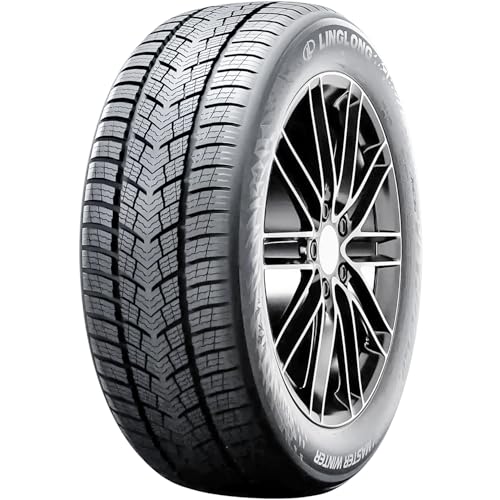
The Linglong Sport Master for 215/50R17 combines winter performance with a focus on sporty handling. While the listing notes a “Performance” category, it is presented as a winter tire suitable for passenger cars, aiming to provide solid traction across typical winter conditions while maintaining responsive steering and confident braking in cold weather. Treadlife is listed as not available, indicating a model with emphasis on grip and control rather than extended wear.
Cooper Evolution Winter — 235/55R17
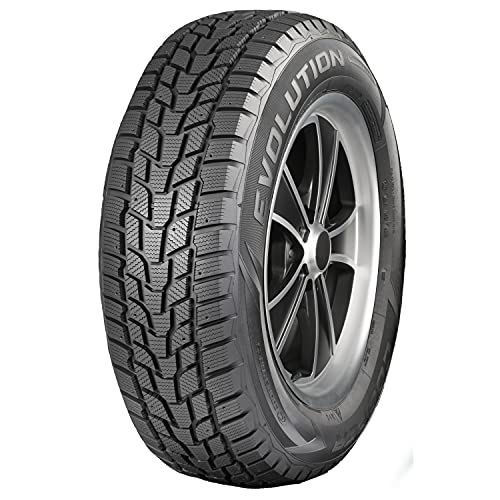
The Cooper Evolution Winter is positioned toward winter-ready performance for cars and SUVs. It emphasizes excellent performance in variable winter conditions and deep snow traction, focusing on practical winter usability with the ability to handle deeper snow. The tire is designed to support confident acceleration, braking, and cornering in cold temperatures, aligning with the needs of sporty drivers who encounter varying winter terrain.
Linglong Sport Master Winter 205/65R16
This Linglong 205/65R16 variant adds coverage for another common sport-car size. It maintains the Sport Master line’s emphasis on winter performance and grip, suitable for drivers seeking reliable winter traction on a variety of road conditions. The listed performance classification remains “Performance,” aligning with sport-oriented expectations while serving winter driving needs.
Linglong Sport Master Winter Truck/SUV — 235/65R17
This Linglong tire covers broader SUV applications, offering winter traction for sport-oriented SUVs or hatchbacks with larger wheel wells. The focus here is on winter performance with a balance of grip and stability, suitable for drivers who use their sportier SUVs in cold-weather regions where both highway and light off-road driving may occur.
Buying Guidance For Winter Tires On Sports Cars
Selecting winter tires for a sports car requires balancing grip, steering response, and tread pattern. When evaluating options, consider:
- Size compatibility: Verify that the tire size matches your vehicle’s recommended dimensions, including aspect ratio and speed rating. In sport-tuned vehicles, even small size changes can affect handling.
- Seasonal performance vs wear: Some tires are optimized for maximum grip in cold temperatures and snow but may wear faster on dry pavement. If you drive year-round in winter months, prioritize a tire designed for mixed conditions.
- Grip on ice and snow: Look for tread patterns with sipes and open grooves designed to bite into snow and provide biting edges on ice. Stiff shoulders can enhance lateral stability during cornering on winter roads.
- Handling in slush and standing water: Adequate tread voids and channeling prevent hydroplaning and help maintain steering feel in wet winter conditions.
- Run-flat or standard: Decide whether you need run-flat capability or a standard tire. Run-flats may offer added safety if you frequently drive in low-temperature areas without easy access to a spare.
- Noise and ride comfort: Performance-oriented winter tires may be louder or stiffer than all-season options. Evaluate ride quality alongside grip.
- Winter maintenance: Regularly check tire pressure, as cold air reduces pressure. Ensure alignment and balanced wheels to preserve handling characteristics.
For performance-oriented drivers, a dedicated winter tire designed for your specific model year and wheel setup often yields superior handling, braking, and cornering grip compared to all-season alternatives. Consider pairing winter tires with a dedicated summer set to maximize performance in warm months for optimal overall handling and tire life.
Additional considerations include compatibility with vehicle stability systems and ABS, which are generally designed to work with standard tire profiles. Always follow manufacturer recommendations for load index and speed rating to maintain safety and performance standards in winter conditions.