Head gasket issues can cause overheating, coolant loss, and costly engine repairs. This article reviews practical, widely available sealant and repair products to address head gasket leaks. We’ll cover how these additives perform, what types of leaks they target, and how to choose the right option for your vehicle. The following selections are among the most popular, vetted options available on major retailers, designed to work with various cooling systems and antifreeze formulas.
| Product | Brand | Key Benefit |
|---|---|---|
| HG-1 Head Seal | Bar’s Leaks | Stops blown head and intake gasket leaks; antifreeze compatible |
| Block Seal Head Gasket Fix | Bar’s Leaks | Permanent seal for gaskets, blocks, and related leaks |
| ST3501 Pour and Go | K-Seal | Permanent repair for blown gaskets and cracked blocks |
| 1100 Head Gasket Repair | Bar’s Leaks | Stops leaks and seals head gaskets and related components |
| Permatex 30300 | Permatex | Multi-purpose stop-leak with preventive properties |
When selecting a repair product, consider the leak type (blown gasket, cracks, or minor seepage), engine materials (aluminum vs. cast iron), coolant type, and whether you prefer a one-step treatment or a more thorough service. The products listed here are designed for automotive cooling systems and are compatible with most 50-50 coolant blends. Always follow the manufacturer’s directions and consider professional diagnostics for severe leaks or overheating.
Bar’s Leaks HG-1 Head Seal

HG-1 Head Seal from Bar’s Leaks is designed to address blown head and intake gasket leaks quickly. It’s described as the fastest, safest option to solve coolant-related gasket issues and is compatible with a wide range of antifreeze types. The formula claims to seal warped or cracked heads and blocks while requiring no draining or thermostat removal. Ideal for vehicles that can idle for about 15 minutes without overheating, this product aims to provide a one-step fix without major labor. Use with all common 50-50 coolant blends including OAT/HOAT types.
Bar’s Leaks Block Seal Head Gasket Fix
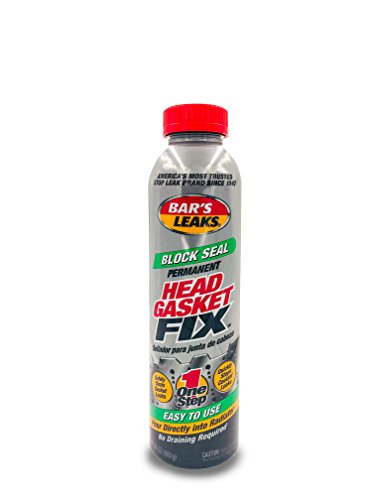
This one-step solution combines antifreeze-compatible sealing liquid with particulate gasket sealants to penetrate gaps and cracks and form a solid seal. It targets head gaskets, cylinder heads, blocks, and related cooling-system leaks. The manufacturer notes that the material hardens under the heat of operation, creating a durable fix. It’s especially designed for engines that can idle for about 20 minutes without overheating, and it does not require draining the cooling system. Suitable for both aluminum and cast iron components.
K-Seal ST3501 Pour and Go Head Gasket Sealer
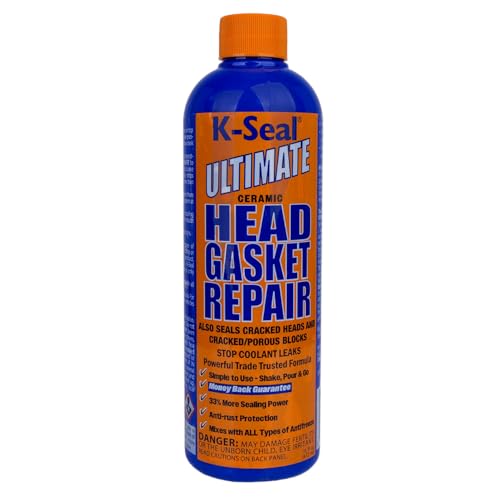
K-Seal ST3501 is marketed as a permanent repair with 33% more sealing power than standard formulas. It uses ceramic micro-fibres to seal leaks up to 0.64 mm and is designed for blown head gaskets, cracked heads, and porous engine blocks. The product claims a no-drain, no-flush workflow—pour and go, with the engine running after adding the liquid. For larger engines, multiple bottles may be recommended. It supports a quick, one-step approach to create a lasting seal in many engine configurations.
Bar’s Leaks 1100 Head Gasket Repair
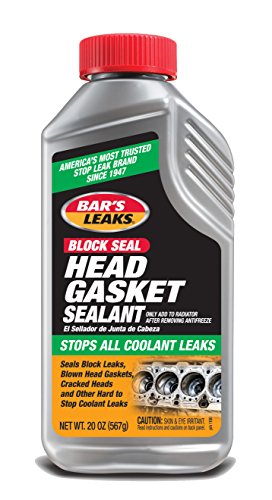
Bar’s Leaks 1100 Head Gasket Repair is designed to stop block leaks and seal cracked cylinder heads and blocks. It is marketed as a solution for repairing blown head gaskets and related cooling-system issues. As with other Bar’s Leaks products, it emphasizes compatibility with typical antifreeze formulations and the avoidance of complex disassembly. This option is presented as a versatile, one-step repair that does not require extensive engine work, making it a practical choice for emergency or interim fixes.
Permatex 30300 Head Gasket Repair

Permatex 30300 is a multi-purpose stop-leak designed to seal head gasket leaks while helping prevent future leaks. The product emphasizes reliability and cost-effectiveness for automotive users, offering an advanced formulation that seals leaks and provides preventive benefits. It’s positioned as an essential addition to a toolkit for both professional mechanics and DIY enthusiasts, with the aim of reducing overheating risks and avoiding costly engine work when leaks are minor to moderate.
Buying Guide: Key Purchase Considerations And Comparisons
Selection criteria for head gasket repair products vary by engine type, leak severity, and user preference for a quick fix versus a long-term solution. Consider these perspectives to guide your decision:
- Leak severity: For minor seepage, one-step sealers might suffice. For large cracks or blown gaskets, a more robust solution with measurable sealing power is prudent.
- Engine materials: Aluminum heads vs. cast iron blocks respond differently to sealants. Some formulations advertise compatibility with both, but your vehicle’s construction can influence effectiveness and longevity.
- Coolant compatibility: Ensure the product is compatible with your coolant type (antifreeze color or base chemistry). Mixing incompatible sealants with certain coolants can cause deposits or reduced flow.
- Installation workflow: Some products require no draining or flushing, while others may benefit from a drained and cooled system for best results. Follow the manufacturer’s steps to avoid residual air pockets or improper sealing.
- Repair longevity: Permanent or long-term solutions vary. Look for products claiming durable seals, especially if your vehicle operates under high temperatures or heavy loads.
- Diagnostic approach: A head gasket tester or compression test can help confirm the leak’s existence and location prior to selecting a repair agent. If overheating persists, professional diagnosis is advised.
- Cost vs. risk: While some products are inexpensive DIY options, persistent overheating or recurring leaks may indicate deeper engine damage that requires professional repair or gasket replacement.
- Warranty and compatibility: Check product warranties and whether a sealant may affect subsequent engine work. Some shops may require engine flushing or maintenance refits after using sealants.
In practice, homeowners and DIY enthusiasts may begin with a targeted sealant for a suspected leak, then monitor for improvements. For engines with rapid overheating or significant coolant loss, professional assessment is recommended to prevent further damage. Always read the full label for application instructions, safety considerations, and maintenance steps after application.