Choosing the right RTV silicone gasket maker is essential for valve covers, oil pans, and other engine seals. This guide highlights reliable, heat-tolerant sealants that resist oil, coolant, and temperature cycles while forming durable, leak-proof gaskets. The selections below cover a range of brands and formulations, so you can compare ease of use, curing time, and temperature tolerance to fit your repair needs.
| Product | Brand | Key Benefit |
|---|---|---|
| J-B Weld 31314 High Temperature RTV Silicone Gasket Maker | J-B Weld | withstands up to 650°F intermittently; strong, waterproof seal |
| RTV Silicone Gasket Maker High Temp Black | Tylove | No-drip, precise bead control; fast skin 15 minutes |
| MANNOL Gasket Maker 9913 | MANNOL | high-temp stability; replaces multiple gasket types |
| ABRO RTV Silicone Sealant Black | ABRO | industrial strength, oil and coolant resistant |
| AUTOXBERT High Temp RTV Sealant | AUTOXBERT | high flexibility, oil resistant, forms tough seal |
J-B Weld 31314 High Temp Gasket Maker

The J-B Weld 31314 is a high-temperature RTV silicone gasket maker designed for demanding mechanical assemblies. It tolerates continuous heat up to 550°F and intermittent peaks up to 650°F. This formulation cures in the presence of moisture in air, forming a tough, waterproof gasket on most surfaces. It is designed to resist weathering and remains sensor-safe, making it suitable for valve covers, oil pans, and related engine seals. The product has a long-standing reputation for strong bonds and durability in automotive repairs.
RTV Silicone Gasket Maker Black High Temp 590°F

This Tylove RTV gasket maker specializes in high-temperature engine sealing with oil, coolant, and fuel resistance. It handles temperatures from -50°F to 590°F and provides a non-slump, precision bead that is ideal for vertical surfaces like valve covers. The product skins over quickly, allowing faster reassembly—a practical option when timing is critical. Its black formulation is versatile for automotive assemblies and other hot-seal needs, delivering a reliable, leak-proof seal.
MANNOL Gasket Maker 9913
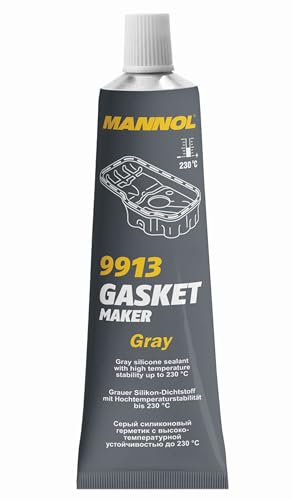
MANNOL 9913 is a versatile high-temperature RTV gasket sealant designed to seal oil pans, valve covers, and thermostat housings. It cures at room temperature to form a durable, flexible seal that resists cracking or shifting under thermal cycling. The product doubles as a gasket replacement when traditional pre-cut gaskets are unavailable and helps smooth irregular surfaces to achieve a tight seal. Its performance focuses on preventing leaks in demanding automotive environments.
ABRO RTV Silicone Black Gasket Maker

ABRO’s black high-temperature RTV gasket maker balances industrial strength with practical flexibility. It resists oil, water, anti-freeze, and transmission fluid, forming a durable seal once cured. The fast-curing formula helps engines quickly regain a leak-free state, and the sealant can replace most cut gaskets in tight spaces. This makes ABRO a strong option for valve covers and other engine seals requiring a tough, long-lasting gasket material.
AUTOXBERT High Temperature RTV Gasket Maker

AUTOXBERT offers a high-temperature instant RTV silicone sealant designed for valve covers, oil-resistant bonding, and general gasket making. The formula emphasizes flexibility and adhesion across various gasket surfaces, including oily or damp substrates. It forms a durable water- and weather-resistant seal and can be used to replace pre-cut gaskets or as a gasket maker for tight-fitting engine components. The product highlights a simple application process with reliable cure and seal properties.
Buying Guide: Key Considerations For Valve Cover Gasket Sealants
- Temperature tolerance: Valve covers and related engine areas endure sustained heat; choose a sealant rated for high temps (typically 500–650°F intermittent ranges).
- Oil and chemical resistance: Look for formulas that resist engine oil, transmission fluid, coolant, and anti-freeze to prevent breakdown over time.
- Application characteristics: No-drip/no-slip formulations, precise bead control, and fast skin times reduce mess and speed up repairs.
- Cure mechanism: Room-temperature vulcanizing (RTV) products cure in the presence of moisture; consider curing speed if you’re on a tight schedule.
- Surface compatibility: Ensure the sealant adheres well to metal, aluminum, and gasket surfaces commonly found in valve covers and engine housings.
- Flexibility and durability: A flexible yet strong seal accommodates thermal cycling and vibrations without becoming brittle or leaking.
- Reusability and replacement: Some products can replace a gasket entirely, while others work best as a gasket maker for existing surfaces.
- Taxonomy and cleanliness: Clean the mating surfaces, remove old gasket remnants, and ensure a dry, oil-free surface for optimal adhesion.
How To Choose For Your Vehicle
When selecting a sealant, consider the engine type, location of the seal (valve cover, oil pan, or thermostat housing), and the likelihood of exposure to oil and coolant. For older engines with brittle gaskets, a fast-curing, highly flexible sealant can minimize downtime. If you prefer a single solution that can replace a cut gasket, opt for a high-temp gasket maker with multi-surface adhesion claims. Always follow the product’s cure times and surface preparation instructions for the best results.
Usage Tips And Best Practices
Apply an even bead of sealant along the gasket surface, avoiding excessive thickness. For vertical joints like valve covers, a no-slump formula helps keep the bead in place during assembly. Allow the sealant to cure per the manufacturer’s guidance before reassembling parts under pressure. Use compatible cleaners to prepare surfaces and avoid introducing contaminants that could compromise bonding. Store the product upright and away from extreme temperatures to preserve shelf life.