When choosing a rear dirt bike tire, traction, durability, and terrain compatibility are essential. This guide highlights top rear tire options and sets, helping riders select tires that maximize grip on mud, sand, loam, and hard-packed trails. Each product below includes key features and practical considerations to compare across brands and sizes.
Summary of chosen products:
| Product | Brand | Size (Rear) | Why It Stands Out |
|---|---|---|---|
| TUSK EMEX T-35 | TUSK | 100/100×18 (rear) | Deep tread for soft to intermediate terrain, complete tire set |
| HIAORS 3.00-12 Dirt Bike Rear Tire | HIAORS | 3.00-12 | Budget-friendly, deep tread for varied off-road conditions |
| Lucky Seven 80/100-12 Rear Tire | Lucky Seven | 80/100-12 | Aggressive knobby design for dirt, mud, and sand |
| TUSK EMEX T-35 Rear Tire (part of set) | TUSK | 110/100-18 or as specified | Reinforced knobbies for hard and intermediate terrain |
| MAXXIS Maxxcross IT Rear Tire | Maxxis | 110/100-18 | Intermediate terrain grip with reliable durability |
TUSK EMEX T-35 Soft/Intermediate Rear Tire Set
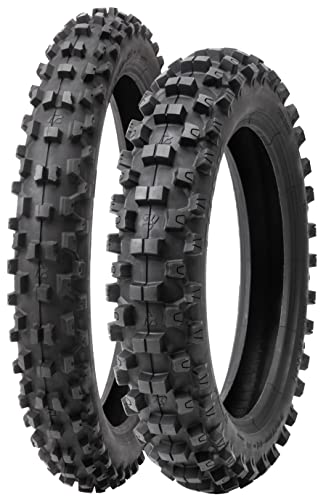
The TUSK EMEX T-35 rear tire is designed for soft to intermediate terrain, offering a deep tread pattern that enhances traction on dirt, sand, loam, and packed trails. This product is sold as a complete set with an 80/100×21 front and 100/100×18 rear for versatile off-road performance. The robust tread improves braking and cornering, making it a strong choice for riders facing mixed trail conditions.
HIAORS 3.00-12 Dirt Bike Rear Tire and Inner Tube

HIAORS markets a 3.00-12 dirt bike rear tire compatible with smaller-displacement bikes (90cc–125cc) from brands such as XR, CRF, KLX, and TTR. This tire emphasizes rugged construction and good air retention in the inner tube, with deep tread patterns designed to improve traction on wet, muddy, sandy, and varied surfaces. It offers broad compatibility across popular pit and mini bikes, providing a budget-conscious option for rear tire upgrades.
Lucky Seven 80/100-12 Rear Tire And Inner Tube

This 80/100-12 rear tire by Lucky Seven is built for 12-inch rim dirt bikes and mini bikes. It features an aggressive knobby tread designed to deliver strong traction on dirt, mud, sand, and rough off-road terrain. The set includes an inner tube and is positioned as a durable, affordable option for riders with smaller displacement bikes seeking reliable rear-end performance.
Tusk EMEX T-45 Rear Tire 110/100×18

The TUSK EMEX T-45 rear tire is built for intermediate to hard terrain, with a reinforced, grippy tread pattern intended to improve traction on hard-packed trails and rugged tracks. Bridged side knobs help resist chunking and maintain cornering control during aggressive riding, making it a solid option for riders facing challenging surfaces or mixed endurance sessions.
MAXXIS Maxxcross IT Intermediate Terrain Rear
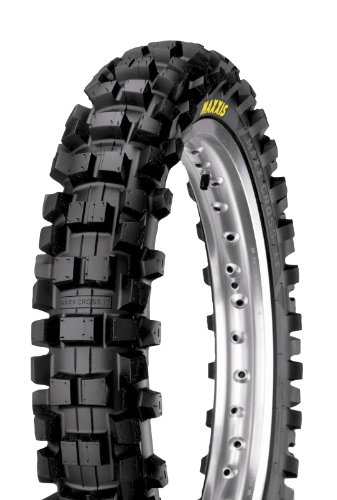
The Maxxis Maxxcross IT rear tire is engineered for intermediate terrain, offering reliable grip on a variety of off-road surfaces. The IT model emphasizes a balance between durability and traction, suitable for riders who encounter mixed dirt conditions on trails and tracks, with a reputation for consistent performance through different courses.
Buying Guide: Key Purchase Considerations
Terrain compatibility is the primary driver in rear dirt bike tire selection. Riders should evaluate tread pattern depth, knob geometry, and rubber compound to match expected conditions—soft dirt benefits from deeper, more aggressive knobs, while intermediate or hard terrain favors a stiffer sidewall and reinforced lugs for cornering stability.
Size and compatibility matter. Ensure the rear tire size matches the bike’s rim width and the manufacturer’s recommended wheel size. For pit bikes and mini bikes, 80/100-12 and 3.00-12 tires are common, whereas larger motocross bikes often use 110/100-18 or 100/100-18 rear sizes. Inner tubes should be chosen to fit the tire diameter and width.
Tubeless versus tube-type considerations affect mounting, weight, and puncture resistance. Tube-type tires, common on off-road setups, can be paired with inner tubes for easier installation and a traditional seal. Tubeless setups reduce weight and reduce pinch flats on rough terrain but may require compatible rims and puncture repair strategies.
Durability vs. performance trade-off is important. Higher-knob count tires typically offer better grip in loose conditions but may wear faster on hard-packed trails. Conversely, tires designed for intermediate to hard terrain often emphasize longer tread life with reinforced side knobs for improved stability during aggressive cornering.
Brand ecosystem and availability can influence long-term compatibility with your bike’s setup. Some brands offer complete tire sets (front and rear) to ensure balanced handling, while others provide rear-only options in various sizes. Check compatibility with your bike model, local riding conditions, and maintenance routines.
Maintenance and tubeness should be considered. Regular inspection of tread wear, knob integrity, and any punctures is essential. Look for tires with robust puncture resistance in the tread area and consider the availability of replacements in your region to avoid long downtime between rides.