Racing motor oil is engineered to protect high-stress engines used on track days, drag strips, and spirited weekend runs. The right blend minimizes friction, guards against wear, and resists thermal breakdown under extreme temperatures. This guide highlights top racing oils from Valvoline and Lucas Oil, explains what to look for when choosing oil for performance combustion engines, and compares key distinctions such as viscosity, zinc content, and fuel compatibility. Whether you push horsepower on a race-bred hot rod or a high-performance street machine, selecting the right racing oil matters for protection and performance.
Below is a quick summary table of the featured products to help you compare at a glance. Each entry shows the brand, oil type, viscosity, and the core benefit highlighted by the product features. This table is designed for fast reference and to complement the detailed sections that follow.
| Brand | Oil Type | Viscosity | Key Benefit |
|---|---|---|---|
| Valvoline | VR1 Conventional Racing Oil | SAE 20W-50 | High zinc for extreme anti-wear protection |
| Valvoline | VR1 Racing Synthetic | SAE 20W-50 | Full-synthetic formulation with enhanced film strength |
| Valvoline | VR1 Racing Oil | SAE 20W-50 | Friction modifiers and zinc for maximum wear protection |
| Valvoline | VR1 Racing Oil | SAE 10W-30 | Racing-grade protection with added zinc |
| Lucas Oil | Hot Rod & Classic Car Oil | SAE 10W-30 | High zinc and sturdy film for classic/high-performance engines |
As you review, consider engine type (gasoline or alcohol-fuel blends), race discipline (circuit, drag, or street), and the oil’s zinc content and anti-foam properties. The following sections present five well-regarded options, each with practical notes drawn from their listed features. This approach supports an objective, comparison-focused decision for American readers aiming to protect high-performance engines on demanding tracks or spirited road sessions.
Valvoline VR1 Conventional Racing Oil (20W-50) — 5 QT

Valvoline VR1 Conventional Racing Oil is designed for high-performance gasoline engines and those burning full or partial alcohol fuels. It features high levels of zinc (ZDDP) to enhance film strength and protect pistons, cams, and bearings against extreme wear. The formulation aims to resist thermal breakdown and stay stable under aggressive racing heat, while anti-foaming additives help maintain lubrication consistency during high-RPM operation. This option supports track and street usage with dependable protection against engine stress.
Valvoline VR1 Racing Synthetic 20W-50 — 1 QT

Valvoline VR1 Racing Synthetic blends high zinc levels with a synthetic base to deliver superior film strength and robust anti-wear protection. The product is formulated for both track and street service, accommodating gasoline and partial alcohol fuels. It emphasizes anti-foaming performance and resistance to thermal breakdown, helping high-compression engines cope with the demands of racing while preserving engine integrity during long sessions and frequent throttle applications.
Valvoline VR1 Racing Oil — 5 QT (Case of 3)
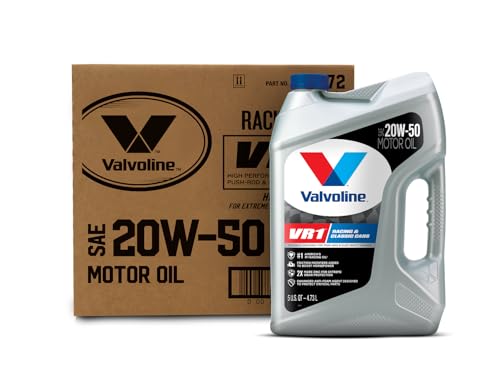
This package highlights VR1 as America’s racing oil, recommended for high-performance gasoline engines and those that burn full or partial alcohol fuels. The formulation includes special friction modifiers to minimize energy loss and manage heat at high RPMs, paired with 2X zinc for enhanced wear protection on critical components like pistons, cams, and bearings. It is designed to maximize power and torque while protecting engines under demanding track conditions.
Valvoline VR1 Racing 10W-30 — 1 QT (Case of 6)

Valvoline’s VR1 10W-30 option is positioned for high-performance gasoline engines and alcohol-blended fuels, with friction modifiers to minimize drag and keep heat in check for maximum power at elevated RPMs. The oil also emphasizes zinc content for enhanced wear protection of pistons, cams, and bearings, supporting consistent engine performance across race and spirited street use where temperatures and pressures spike during intense driving.
Valvoline VR1 30 Weight Racing Oil — 1 QT
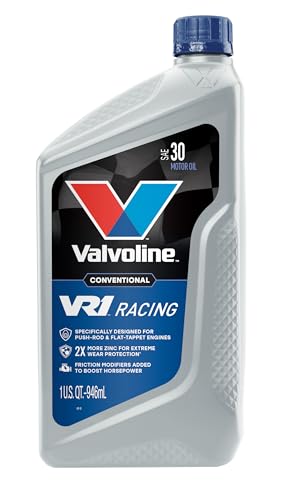
Valvoline VR1 30 demonstrates conventional racing oil performance with elevated zinc content and robust anti-wear properties. It is designed for high-compression engines and track scenarios where the engine experiences sustained high temperatures. Compatibility with various fuels makes it a versatile option for enthusiasts who mix racing and street driving, providing reliable protection against engine stress during demanding sessions.
Lucas Oil 10679 Hot Rod & Classic Car 10W-30 — 5 Quart

Lucas Oil Hot Rod & Classic Car SAE 10W-30 is tailored for vintage and high-performance engines that demand a tough protective film. The formulation includes high levels of zinc, molybdenum, and phosphorus to build a resilient additive layer, reducing metal-to-metal contact and providing enhanced protection for engines commonly found in classic and hot-rod builds. This oil supports dependable performance during break-in and steady race-like operation with a focus on durability.
Lucas Oil 10631 Break-In Oil — 5 Quart
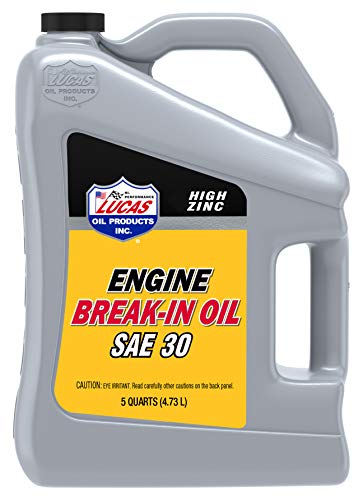
Lucas Oil Break-In Oil is formulated to support quicker, more efficient ring seal during initial engine break-in for flat tappet and roller camshaft applications. It provides a strong protective film during the critical break-in window and can be effective for transitioning to a racing-only line thereafter. The product is positioned for reliability and performance gains when starting a new or rebuilt engine before switching to conventional or synthetic racing oils.
Buying Guide: Key Purchase Considerations And Comparisons
Oil selection for racing engines involves balancing protection, performance, and fuel compatibility. Consider these factors to tailor your choice to your setup and goals:
- Zinc Content and Wear Protection: Higher ZDDP helps prevent wear in flat-tappet and high-load engines, but it can affect catalytic converters in modern vehicles. For older or heavily boosted engines, higher zinc formulations are beneficial. Check the engine type and emissions considerations before selecting a high-ZDDP oil.
- Viscosity and Temperature Range: Lower viscosity oils improve cold-start flow, while higher viscosities maintain film strength at high temperatures. In racing, 20W-50 and 10W-30 are common options, but track conditions and engine tuning influence the best choice. Switch to a viscosity that matches your heat generation and oil drain interval.
- Base Oil Type: Conventional versus synthetic blends or full synthetic affect film strength, oxidation resistance, and pumping stability. Full synthetics offer robust protection at extreme temperatures, while blends can provide a balance of cost and performance.
- Fuel Compatibility: Some racing oils are designed for engines burning alcohol blends. If your setup uses methanol or ethanol fuels, ensure the oil explicitly supports that fuel type to prevent protective layer breakdown.
- Friction Modifiers: These additives help maximize power output by reducing parasitic losses but can influence clutch and gear interactions in certain builds. Assess whether your clutch, gears, and turbo or supercharger configuration align with the oil’s friction-modifier profile.
- Break-In Versus Routine Use: Break-in oils focus on initial engine sealing, while racing oils optimized for high-RPM operation protect bearings and pistons during endurance sessions. For rebuilt engines, a dedicated break-in oil can be a prudent first step before switching to a race-grade formulation.
- Availability and Documentation: Check product data sheets for specific zinc levels, Flashpoint, and additives. Availability in multiple bottle sizes offers flexibility for different schedules and usage patterns.
Summary considerations for enthusiasts evaluating the listed options include aligning oil selection with engine type (gasoline vs. alcohol fuels), anticipated race formats, and the balance between wear protection and power retention. For classic or hot-rod engines, zinc-rich Lucas and Valvoline VR1 lines provide strong protection with reliable film strength. For those prioritizing synthetic performance and stability under heat, the Valvoline VR1 Racing Synthetic option offers a robust, high-clarity base. For engines under heavy race loads and frequent stop-start or differential cooling challenges, a 10W-30 option with solid anti-wear performance may be suitable, while 20W-50 varieties are traditional choices for high-temperature, high-stress conditions. Always follow manufacturer recommendations and consider a professional engine analysis to determine the best oil strategy for your specific setup.