Choosing the right race engine oil is critical for protecting high-stress engines, reducing wear, and maintaining consistent performance across hot laps, long races, and start-up duties. This guide features five top-rated race-focused oils from trusted brands, highlighting film strength, startup protection, and suitability for various racing disciplines. Read on to compare products, key features, and what to consider when selecting oil for your race program.
Summary at a glance: the table below showcases five leading options, their brands, and primary benefits to help you shortlist quickly.
| Product | Brand | Primary Benefit |
|---|---|---|
| Red Line 10404 40WT Synthetic Race Motor Oil (15W40) – 1 Quart | Red Line | Startup protection, stability under fuel dilution, versatility across race disciplines |
| Red Line 10405 40WT Synthetic Race Motor Oil (15W40) – 1 Gallon | Red Line | Same protective profile at scale, excellent film strength and startup protection |
| Lucas Oil 10053 High Mileage SAE 30 Plus Motor Oil – 1 Quart | Lucas Oil | Lower oil temperatures, high lubricity, better ride for high-revving engines |
| TRIAX XTerra 4T 10W-40 Full Synthetic 4 Stroke Engine Oil | Triax | OEM compatibility, high-temperature stability, race-ready for motorcycles and more |
| VP Racing 2907 Full-Synthetic 2-Cycle Oil for Small Engines | VP Racing | Easy start, low smoke, long-term fuel stability |
As you review these options, consider engine type, racing discipline, and expected fuel dilution, which can affect film strength and wear protection. The selection below focuses on oils commonly used in race engines and track-ready applications, with attention to startup protection, thermal stability, and compatibility with high-load conditions.
Red Line 10404 40WT Synthetic Race Motor Oil

The Red Line 10404 is a 15W40 synthetic race motor oil designed for high-performance race engines. Notable benefits include improved startup protection, lower oil temperatures at startup, and enhanced cleanliness during operation. It is used by NASCAR teams, specific camping world series engines, top dirt late model teams, and a range of race vehicles from stock cars to sprint cars. Its polyol ester base stock aims to maintain film strength even when fuel dilution is present, delivering stability under demanding racing conditions.
Suitable for: stock car racing, road racing, sprint cars. The product’s versatility makes it a common choice for teams seeking a single oil for multiple race formats. For engines with aggressive heat cycles and potential fuel dilution, the ester-based formulation offers improved film strength to help protect bearings and other critical surfaces during peak loads.
Red Line 10405 40WT Synthetic Race Motor Oil (1 Gal)

This 1-gallon variant mirrors the 15W40 race oil in protection and stability, offering extended capacity for teams running multiple practices or longer endurance events. The formulation emphasizes enhanced startup protection, lower initial oil temperatures, and film stability when exposed to fuel dilution. Like the smaller quart, it’s tailored to NASCAR-spec engines, dirt late models, and wide-ranging race vehicles, delivering reliable lubrication under high-stress conditions.
Key considerations include on-track wear resistance, oil consumption, and how often oil changes are scheduled between events. The larger container helps teams maintain consistent lubrication during extended race schedules while ensuring easy handling and storage at the pit.
Lucas Oil 10053 High Mileage SAE 30 Plus

Lucas Oil 10053 is a high-mileage, SAE 30-plus motor oil formulated to reduce oil temperatures and promote longer oil life. Its high lubricity supports faster acceleration and higher RPMs, and it is designed to protect against oil cavitation and foaming. This makes it a compelling choice for engines that have accumulated significant mileage or experience sustained high-RPM operation during races. The product is positioned as a practical option for maintaining engine longevity while preserving performance characteristics in demanding racing environments.
Considerations when selecting this option include compatibility with high-performance engines carrying over from break-in or pre-race prep, and the potential benefits in wear protection and reduced metal fatigue over time. This oil suits race teams prioritizing longevity and consistent oil performance across multiple sessions.
Lucas Oil 10631 SAE 30 Racing Break-In Oil
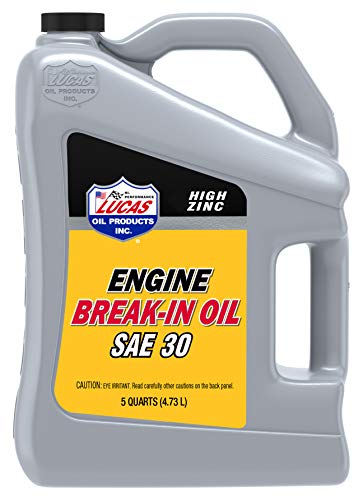
Lucas Oil 10631 is designed for initial engine break-in of both flat tappet and roller camshaft applications. It emphasizes quicker, more efficient ring seal and maximum protection during break-in periods, which can influence long-term performance on the track. While marketed for break-in, it is frequently considered in scenarios where a pre-race engine life is extended through careful initial lubrication and protection before racing adjustments or switching to a racing-only oil line.
Racing teams may use this product during engine prep or pre-season assembly to optimize sealing and break-in efficiency, potentially reducing wear while establishing a robust ring seal before full race operation. Ensure compatibility with your engine’s specific break-in requirements and subsequent oil lineage for race use.
TRIAX XTerra 4T 10W-40 Full Synthetic 4 Stroke Oil

TRIAX XTerra 4T 10W-40 is a full synthetic ester-based oil designed for four-stroke engines across motorcycles, ATVs, quads, and snowmobiles. It exceeds OEM specifications such as JASO MA2 and API SL/SN, providing robust clutch performance, stable viscosity, and resistance to high thermal stress. The mineral-to-ester balance in this product aims to deliver reliable wear protection during aggressive riding, with broad OEM compatibility for many brands and models. Its race readiness is enhanced by friction modifiers that support clutch engagement and consistent performance at high RPMs.
Key considerations include drivetrain compatibility, clutch behavior, and adherence to OEM warranties. This oil is positioned for riders who expect strong performance in varied conditions and expect OEM-grade reliability from a synthetic ester formulation.
VP Racing 2907 Full-Synthetic 2-Cycle Oil

VP Racing 2907 is a full-synthetic two-cycle oil designed for small engines, including dirt bikes and other race-ready small machines. Its formulation emphasizes easy starting, low smoke operation, and anti-oxidant properties to keep fuel fresh for up to a year. While not a four-stroke racing oil, it is a common choice for multi-engine programs that include two-stroke race equipment or for small, high-performance power units used in karting or supporting race operations. Consider oil-to-fuel mixing ratios, engine design, and track rules when integrating two-cycle oil into a broader race oil strategy.
Buying Guide: Key Purchase Considerations
- Engine type and race class: Four-stroke versus two-stroke, and the specific sanctioning body or track rules governing oil selection.
- Film strength and fuel dilution resistance: Ester-based and polyol ester blends generally offer better stability when fuel dilution occurs during hard racing.
- Oil viscosity and temperature management: Choose a viscosity that matches engine temperature profiles and race duration. Higher-humidity tracks or hotter climates may benefit from oils with stronger film protection at elevated temperatures.
- Break-in and longevity: Consider whether you need an initial break-in oil for new or rebuilt engines, followed by a race-ready oil for competition.
- OEM compatibility and clutch interaction: For motorcycles and wet-clutch systems, verify OEM specifications (e.g., JASO MA2) and clutch material interactions to avoid slippage or wear.
- Container size and usage plan: Gallon versus quart containers affect maintenance intervals and on-site logistics for pit crews and track support.
- Availability and brand support: Prioritize brands with consistent supply, proven track records, and technical support for race teams.
The best choice depends on your engine platform, racing format, and maintenance schedule. Evaluate film strength, startup protection, and how the oil behaves under repeated heats and high RPMs to determine the optimal option for your program.