When a blown head gasket threatens engine reliability, many drivers seek fast, DIY remedies. While professional repair remains the gold standard, there are reputable head gasket sealers that can provide a temporary or long-term fix under certain conditions. This guide highlights five trusted products designed to seal leaks, prevent overheating, and minimize cooling-system damage without requiring extensive disassembly. Each option has practical usage notes to help you decide which approach may best suit your engine type and maintenance goals.
Summary of chosen products:
| Product | Brand | Key Benefit |
|---|---|---|
| HG-1 Head Seal | Bar’s Leaks | Seals blown head and intake gasket leaks; antifreeze compatible |
| K-Seal ST3501 | K-Seal | Permanently seals leaks with ceramic micro-fibres; no draining |
| Steel Seal 8-Cylinder | STEEL SEAL | Permanently seals cracks; DIY pour-in solution |
| Steel Seal 4-Cylinder | STEEL SEAL | Permanently seals head gasket leaks; easy pour-in |
| Bar’s Leaks 1100 Head Gasket Repair | Bar’s Leaks | Stops block leaks; repairs blown head gaskets |
Bar’s Leaks HG-1 Head Seal Blown Head Gasket Repair

Bar’s Leaks HG-1 is designed to seal coolant-related head gasket leaks and can help with warped or cracked heads and blocks in certain idle-running conditions. It is compatible with a wide range of antifreezes and requires no draining or thermostat removal. Its core claim is a one-step application that can seal gaps while the engine runs, offering a fast option for immediate leak control in many vehicles.
K-Seal ST3501 Pour and Go Head Gasket Sealer
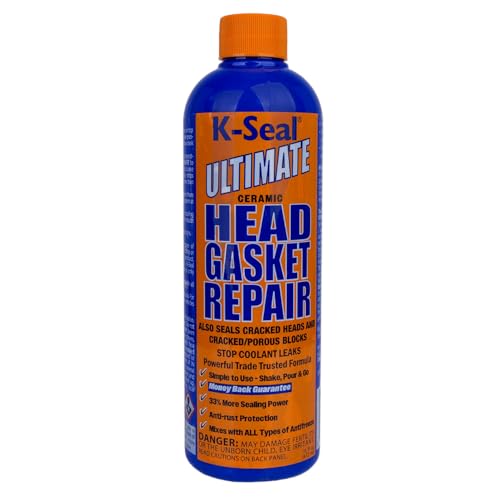
K-Seal ST3501 offers a “pour and go” approach with a formula that claims to permanently seal blown head gaskets, cracked heads, and porous engine blocks. It’s marketed as requiring no draining or flushing; simply shake, pour into the cooling system, and run the engine as normal. The product emphasizes its sealing power, aiming to fix leaks up to a certain size with a durable ceramic component for longer-term results.
Steel Seal Blown Head Gasket Fix Repair Sealer – 8 Cylinder

Steel Seal’s 8-Cylinder variant is marketed as a permanent, DIY head gasket fix. It emphasizes sealing capability on damaged gaskets, with a pour-in design that aims to harden and seal leaks without engine disassembly. The product highlights widespread use by repair shops and its applicability to high-performance or larger engines needing a more robust solution.
Steel Seal Blown Head Gasket Fix Repair Sealer – 4 Cylinder
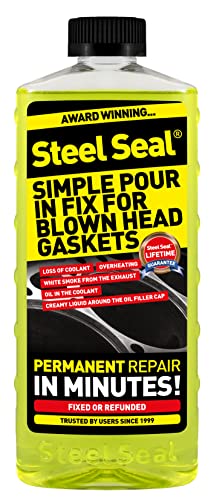
This 4-Cylinder Steel Seal option mirrors the brand’s broader approach: a do-it-yourself pour-in treatment intended to permanently seal head gasket leaks. It is marketed as an award-winning, triple-patented formula designed to withstand engine heat and pressure while remaining compatible with standard cooling systems.
Bar’s Leaks 1100 Head Gasket Repair
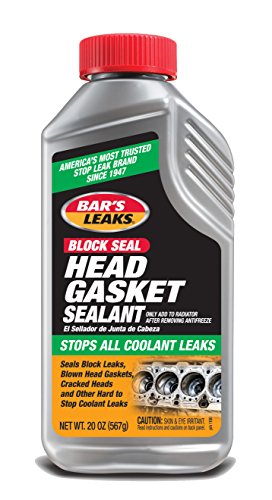
Bar’s Leaks 1100 Head Gasket Repair focuses on stopping block leaks and sealing cracked heads and blocks. It’s positioned as a practical solution for emergency or interim repairs, aiding in the restoration of gasket integrity to allow continued operation until a full repair can be performed. It emphasizes compatibility with typical cooling-system configurations.
Buying Guide
- Engine type and damage assessment: Sealants are most effective on small leaks or mechanically stable engines. If the head gasket is severely damaged or the engine overheats regularly, a mechanical repair is advised.
- Product mechanism: Some formulations use ceramic micro-fibers to seal micro-cracks, while others rely on a silicate or polymer-based seal to fill gaps. Choose based on leak size and engine material (aluminum vs. cast iron).
- Coolant compatibility: Ensure the product is compatible with your coolant type (conventional, OAT/HOAT, or different colors). Some sealers also require no draining, while others might require a partial drain.
- Vehicle size and engine displacement: Larger engines or higher-cylinder-count blocks may benefit from products marketed for bigger engines. Follow manufacturer guidance on the number of bottles or dosage per engine size.
- Operating conditions: Many sealers require the engine to reach specific operating temperatures for the seal to set. Prepare for a short drive or idle period as directed by the product instructions.
- Longevity and limitations: Permanent-seal claims vary. Some products offer long-term fixes but may require future maintenance or replacement of the gasket to prevent future leaks.
- Professional alternatives: If you observe continuous coolant loss, white smoke, milky oil, or persistent overheating, consult a mechanic. DIY sealants are often best for temporary relief or minor leaks.
Each product above targets different leak scenarios and engine types. For best results, consult your vehicle’s service manual and follow the product’s specific dosing and usage instructions. Regularly monitor coolant levels and engine temperature after treatment to ensure the seal remains secure and the cooling system operates correctly.