Cold weather can thicken power steering fluids, slow response, and increase wear on pumps and seals. The right cold-weather formula helps maintain smooth steering, reduce squeal, and protect components in low temperatures. Below is a curated list of five high-quality power steering fluids designed to perform in cold climates, with notes on corrosion protection, detergency, seal conditioning, and overall reliability. Use the buying guide to compare key factors and choose the best option for your vehicle.
| Product | Brand | Key Cold-Weather Benefit |
|---|---|---|
| ACDelco GM Original Equipment 10-5044 | ACDelco | Low temperature fluidity for quicker steering response |
| TRIAX OEM Grade PSF | Triax | Arctic grade at -50°F; all-vehicle compatibility |
| Red Line 30404 | Red Line | Excellent high-temp protection with reduced evaporation |
| Lucas Oil Power Steering Fluid | Lucas Oil | Deterministic formula for smoother operation and wider compatibility |
| Prestone AS262 | Prestone | Stop-leak additives with extended life for winter reliability |
ACDelco GM Original Equipment 10-5044 Cold Climate PSF

ACDelco’s GM Original Equipment 10-5044 is designed for cold climate performance, offering reduced noise and smoother operation in low temperatures. Its corrosion inhibitors help protect metal components in the power steering system, while the non-foaming formula minimizes pump squeal and unwanted wear. The formulation maintains adequate fluidity at cold temperatures, promoting faster steering response when temperatures drop. This fluid is compatible with most GM and non-GM systems, making it a versatile choice for winter driving. For owners seeking a trusted OEM option that prioritizes cold-weather reliability, this fluid provides a balanced blend of protection and performance.
TRIAX OEM Grade PSF, Arctic Grade

Triax’s Arctic Grade PSF is marketed for extreme cold performance, with a spec designed to operate reliably down to -50°F. This full-synthetic formulation includes esters and a robust detergency package to keep turbines and pumps clean, reducing the risk of gunk buildup that can worsen cold-weather performance. It also contains seal conditioners to prevent shrinking or cracking of seals, thereby preventing leaks—an important consideration in winter months when added fluid demand and temperature fluctuations can stress the system. The broad vehicle compatibility makes it a practical choice for households with multiple vehicles or European, Asian, and US models.
Red Line 30404 Power Steering Fluid

Red Line 30404 emphasizes wear protection and thermal stability, resisting breakdown, evaporation, and foaming to sustain high pump output in varying winter conditions. Its formulation helps prevent steering fade at higher temperatures while mitigating stiffness and squeal at low temperatures. The high-temperature viscosity and reduced evaporation contribute to consistent performance across seasons. This fluid is suitable for most power steering units and is favored by drivers seeking durable performance and a reduced chance of leaks or noise as temperatures drop.
Lucas Oil Power Steering Fluid with Conditioners 16 oz.
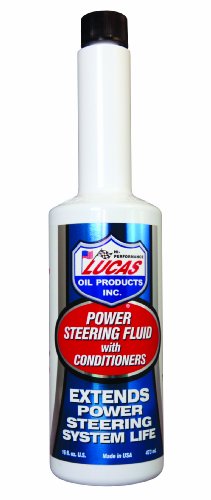
Lucas Oil Power Steering Fluid combines conditioning additives with broad compatibility to deliver more responsive steering and longer component life. It is formulated to work with both petroleum and synthetic fluids and aims to extend the life of pumps, rack-and-pinion gears, seals, and valves. In cold weather, these conditioners help maintain seal integrity and reduce wear, contributing to smoother steering feel and more reliable operation when temperatures are low. This option is well suited for drivers who want a balance of performance and protection without a specific OEM tie-in.
Prestone AS262 Power Steering Fluid with Stop Leak
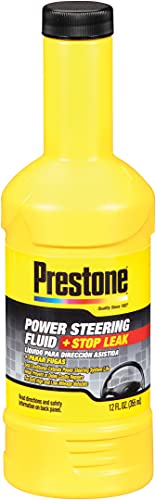
Prestone AS262 is a dual-purpose option that combines power steering fluid with stop-leak additives to extend system life and prevent leaks in cold climates. The formulation emphasizes anti-wear protection and corrosion resistance, which are critical when moisture and road salt exposure are common in winter. For vehicles showing signs of seepage or aging hoses and seals, this fluid aims to halt leaks while maintaining adequate performance. This choice suits drivers seeking reliable winter protection plus leak prevention in one product.
Buying Guide: Key Purchase Considerations
Selecting the right cold-weather power steering fluid involves evaluating several factors that affect performance on winter roads. Consider the following perspectives to make an informed choice:
- Temperature performance: Look for fluids rated to operate reliably at sub-freezing temperatures. Arctic or cold-climate formulations help ensure pump response and steering feel in winter.
- Detergency and cleanliness: Fluids with active detergents keep pumps and gears clean, reducing the risk of sludge buildup that can worsen cold starts.
- Seal conditioning: Seals lose elasticity in cold weather. Fluids with seal conditioners help prevent leaks and extend component life during winter exposure.
- Corrosion and wear protection: Corrosion inhibitors and anti-wear additives protect metal components from moisture, road salts, and general wear.
- Compatibility: Verify vehicle compatibility, especially if you own multiple vehicles or older models. Some formulas target specific brands or vehicle families, while others claim broad compatibility.
- Viscosity stability: A fluid that maintains adequate viscosity across temperature swings provides consistent steering effort and response.
- Stop-leak features: For vehicles with aging hoses or seals, stop-leak additives can reduce the likelihood of winter leaks, though they may not suit all systems.
Practical considerations include avoiding mixing fluids with incompatible additive packages and following manufacturer recommendations. In vehicles with electronic power steering or specialized hydraulic systems, consult the owner’s manual or a qualified technician before changing fluids.
These options emphasize cold-weather performance, corrosion protection, and seal longevity. When selecting, balance OEM guidance, vehicle type, and driving conditions to maintain steering responsiveness and system health throughout the winter season.