Choosing a nitrous-ready cam for a small-block Chevy (SBC) involves balancing lift, duration, and lobe separation to pair with an optimized nitrous system. The following selections emphasize hydraulic roller profiles designed to live with nitrous kits, deliver solid RPM ranges, and sustain reliable street-to-strip performance. This guide highlights five strong options and offers practical considerations for setup, gear choice, and idle quality.
Summary of chosen products:
| Product | Brand | Operating Range | Approximate Duration @ .050″ | Notes |
|---|---|---|---|---|
| COMP Cams 08-303-8 Nitrous HP 236/248 Hydraulic Roller Cam for OE Roller SBC | Comp Cams | 2,400-6,500 RPM | 236/248 | 113 LS |
| COMP Cams 12-419-8 Nitrous HP 236/248 Hydraulic Roller Cam for Chevrolet Small Block | Comp Cams | 2,400-6,500 RPM | 236/248 | 113 LS |
| Comp Cams 12-564-4 Nitrous HP 230/244 Hydraulic Flat Cam for Chevrolet Small Block | Comp Cams | 2,400-6,500 RPM | 230/244 | 113 LS |
| COMP Cams 12-568-4 Nitrous HP 240/253 Hydraulic Flat Cam for Chevrolet Small Block | Comp Cams | 2,800-6,800 RPM | 240/253 | 113 LS |
| COMP Cams 12-560-4 Nitrous HP 224/236 Hydraulic Flat Cam for Chevrolet Small Block | Comp Cams | 2,000-6,200 RPM | 224/236 | 113 LS |
COMP Cams 08-303-8 Nitrous HP Cam for SBC

The 08-303-8 profiles Nitrous HP with 236/248 duration at .050″ and a 113-degree lobe separation, delivering broad torque and strong mid-range power. Designed for SBCs with hydraulic roller lifters, this cam aims to support a nitrous kit around the 2,400–6,500 RPM window. It pairs well with lower gears and headers to maximize nitrous-boosted performance while maintaining street drivability. The cam’s 2500+ stall instincts are commonly referenced for app configurations that emphasize street-strip versatility.
COMP Cams 12-419-8 Nitrous HP 236/248 SBC Cam
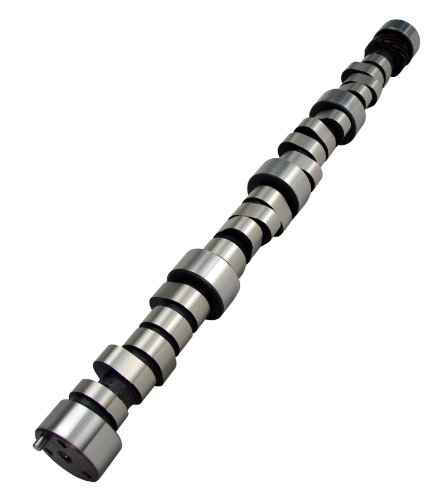
This 236/248 hydraulic roller setup provides a similar mid-range curve to the 08-303-8, suited for small-block builds that run nitrous in a broad RPM band. With a 113-degree LSA, it aims for a balanced idle and strong response through the 2,400–6,500 RPM range. The design supports street-to-strip use with a nitrous system listed at 175+ HP, and is compatible with standard SBC components when paired with appropriate gears and headers.
Comp Cams 12-564-4 Nitrous HP 230/244 SBC Cam

The 12-564-4 uses a hydraulic flat tappet profile with 230/244 duration and a 113 LSA, engineered for street/strip use with a nitrous setup. It’s aimed at lower to mid-stall configurations (around 2,500+), providing a robust idle with enough duration to support nitrous-assisted power while maintaining reliability in daily driving. Ideal for street machines seeking a balance between torque and top-end pull in the SBC family.
COMP Cams 12-568-4 Nitrous HP 240/253 SBC Cam
The 12-568-4 is targeted at Pro Street and multi-stage nitrous configurations, with a higher stall guidance (around 2,800+). The 240/253 duration and 113-degree LSA support bold torque and a strong nitrous response, especially when paired with a suitable exhaust and throttle setup. This cam emphasizes a blend of aggressive idle and strong off-idle performance while maintaining driveability in appropriate setups.
COMP Cams 12-560-4 Nitrous HP 224/236 SBC Cam
The 12-560-4 offers a 2,000–6,200 RPM operating range, with 224/236 duration and a 113 LS suitable for street machines with a moderate nitrous kit. This profile emphasizes smoother idle and tractable mid-range power, making it a practical option for drivers prioritizing drivability alongside nitrous power increases.
Buying Guide: Key Considerations for Nitrous-Ready SBC Cams
- Engine configuration compatibility: Confirm lifter type (hydraulic roller vs. flat tappet) and the existing SBC engine family (283, 327, 350, 400, etc.).
- Duration and lift balance: Higher durations can improve top-end nitrous response but may roughen idle and low-end torque. Aim for a cam profile that matches your nitrous kit’s horsepower target and stall speed.
- Lobe Separation Angle (LSA): A 113-degree LSA is common for nitrous-friendly SBC cams, helping to preserve idle quality while enabling robust nitrous bursts.
- Compression and fueling: Nitrous kits demand adequate fuel delivery and compression for safe operation. Consider upgrading fuel system components and calibrating a nitrous controller accordingly.
- Stall speed and gearing: If the setup relies on stall converters or specific rear gears, align these with the cam’s claimed operating range to maximize response and minimize stall drift.
- Idle quality and drivability: For street-driven SBCs, balance cam duration with intake and exhaust components to keep a reasonable idle and usable throttle response.
- Compatibility with headers and exhaust: Header size and exhaust backpressure affect torque and the effective power curve, especially under nitrous boost.
- Durability and reliability: Hydraulic roller lifters generally offer maintenance advantages; ensure proper cam break-in and lubrication for longevity under nitrous use.
When selecting among these options, consider not just the peak power numbers but how the cam’s torque curve matches your nitrous system, gear set, and daily driving needs. The listed Comp Cams profiles share a common design language optimized for nitrous HP in SBC builds, with emphasis on a broad mid-range and a capable idle. The occasional flat-tappet variant may deliver distinct throttle response characteristics, but timing, valve train components, and fueling must be aligned for safe operation.