Choosing a lead substitute for gas can help protect older engines designed for leaded fuel. The right additive can shield valves, reduce wear, and maintain smooth combustion when using unleaded or low-lead fuels. This article reviews five leading options, detailing what each product offers, how it works, and practical considerations for selecting the best match for your vehicle. This guide also compares compatibility, lubrication benefits, and potential effects on emissions systems.
Summary of Selected Products
- Niteo Motor Medic M5012-12PK Lead Substitute – 12 oz., Case of 12
- Motor Medic by Gunk M5012 Lead Substitute – 12 oz.
- Hapco Lead Substitute Fuel Additive – 32 oz
- Red Line 60202 Lead Substitute – 12 Ounce
- Hapco Lead Substitute Fuel Additive – 16 oz
Motor Medic M5012-12PK Lead Substitute

Brand: Niteo Products
Product features: Allows engines designed for leaded gasoline to run safely with low lead or unleaded fuels, Prevents valve damage and upper cylinder wear in older engines, Coats with a protective film designed to prevent valve recession
Motor Medic M5012-12PK is designed for engines originally built to run on leaded gasoline. This additive helps transitions to low-lead or unleaded fuels while aiming to protect valves and maintain engine integrity. The protective film is intended to guard valve recession and reduce wear in older engines that lack modern valve-seat upgrades. The case includes 12 cans, offering ongoing maintenance for a fleet or family vehicles with classic engines.
Motor Medic by Gunk M5012 Lead Substitute

Brand: Gunk
Product features: Made in United States
Gunk’s Motor Medic M5012 Lead Substitute offers a straightforward option for engines designed for leaded fuels. While the listed features emphasize domestic manufacturing, the product is marketed as a compatible solution for protecting valve-trains when using unleaded or low-lead fuels. This option is commonly considered for classic vehicles, vintage cars, and equipment that might benefit from added lubrication and valve protection.
Hapco Lead Substitute Fuel Additive – 32 oz

Brand: Hapco
Product features: Replaces Lead with Added Protection – Provides valve lubrication and combustion support., Prevents Valve Recession & Wear – Formulated to help reduce valve recession and wear., Stops Power & Compression Loss – Helps support stable power and compression.
Hapco’s 32-ounce lead substitute focuses on valve lubrication and combustion support to reduce valve recession and wear. It also aims to help maintain stable power and compression, which can benefit engines transitioning away from leaded fuel. This option is suitable for owners seeking a balanced blend of lubrication and deposition prevention while using unleaded or low-lead fuels.
Red Line 60202 Lead Substitute
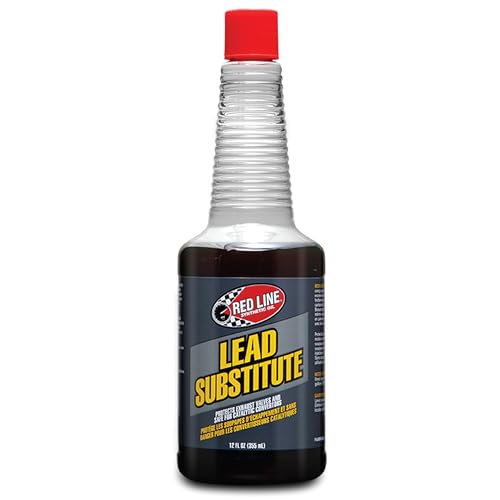
Brand: Red Line
Product features: Prevents valve seat damage in engines designed for leaded gasoline, Prolongs the useful life of older engines without updated valve seats, Also cleans carburetor deposits and injectors, safe for catalytic converters
Red Line’s Lead Substitute targets engines designed for leaded gasoline, helping prevent valve-seat damage and extending the life of older engines without new valve seats. In addition to protection, the additive can assist in cleaning carburetor deposits and injectors, while remaining compatible with catalytic converters. This option is particularly relevant for vehicles with carburetors and older fuel delivery systems.
Hapco Lead Substitute Fuel Additive – 16 oz

Brand: Hapco
Product features: Replaces Lead with Added Protection – Provides valve lubrication and combustion support., Prevents Valve Recession & Wear – Formulated to help reduce valve recession and wear., Stops Power & Compression Loss – Helps support stable power and compression.
Hapco’s 16-ounce lead substitute provides similar protective benefits as the 32-ounce option, focusing on valve lubrication and combustion support to reduce valve recession and wear. It also emphasizes maintaining power and compression, making it a compact choice for smaller maintenance routines or for users who want a lighter bottle size.
Buying Guide
Key considerations when selecting a lead substitute for gas engines include compatibility with your vehicle’s fuel system, valve-seat design, and emission controls. Older engines with traditional valve seats benefit from products that provide lubrication and deposit control without harming catalytic converters. Consider the following perspectives:
- Engine type and fuel history: If your engine was designed for leaded gasoline, look for additives that offer robust valve lubrication and protector coatings. For engines with updated valve seats or newer emissions controls, prioritize additives that are safe for modern catalytic converters and do not create harmful residues.
- Fuel compatibility: Determine whether you’re using unleaded, low-lead, or premium fuels. Substitutes should support compatibility with the chosen fuel while maintaining engine protection.
- Lubrication versus cleaning: Some products emphasize lubrication to prevent wear, while others focus on deposit removal and injector cleaning. A balanced option often provides both benefits.
- Vehicle usage patterns: For daily drivers, a steady ongoing additive routine may be beneficial. For classic cars used occasionally, a preventive approach at service intervals can be considered.
- Emission systems: Choose lead substitutes labeled safe for catalytic converters to avoid unintended damage or performance issues.
Compared to other engine treatments, lead substitutes vary in bottle size, dosing, and frequency of use. Review manufacturer guidelines for each product to determine appropriate quantities, intervals, and compatibility with your fuel type and engine condition. Always follow safety precautions when handling automotive additives.