In-tank fuel pumps are critical for delivering consistent fuel pressure to modern EFI and turbocharged engines. This guide highlights top in-tank pumps from reputable brands, emphasizing flow, compatibility, and installation considerations. Whether you’re upgrading for higher horsepower, improved throttle response, or greater injector precision, these options cover a range of applications from daily drivers to power builds.
Summary Table of Chosen Products
| Product | Brand | Flow (LPH) | Key Notes | Amazon Link |
|---|---|---|---|---|
| EVIL ENERGY EFI 255LPH | EVIL ENERGY | 255 | 12V DC EFI, 15-90 PSI, gasoline | View |
| KEMSO 340LPH High Performance | KEMSO | 340 | Upgrades for high power, supports gasoline or E85 | View |
| AEM 50-1000 High Flow In-Tank | AEM | 340 | High output, 39mm, tested 340 LPH at 40 PSI | View |
| AdvanEX 255LPH In-Tank | AdvanEX | 255 | New OEM-style design, installation kits included | View |
| Aeromotive 340 LPH In-Tank 12V | Aeromotive | 340 | OEM 39mm body, high-flow for EFI/carbureted systems | View |
EVIL ENERGY EFI 255LPH In-Tank Fuel Pump

Designed for 12V DC EFI systems, the EVIL ENERGY 255LPH pump delivers a stable flow with a pressure range of 15-90 PSI. It’s suitable for gasoline engines requiring reliable in-tank delivery, and its operation can be fine-tuned with an external regulator. Users should consider fuel quality, as high-impurity fuels can shorten pump life and impact performance. This pump fits a range of modern EFI setups and offers a straightforward upgrade path from lower-capacity units.
KEMSO 340LPH High Performance Pump
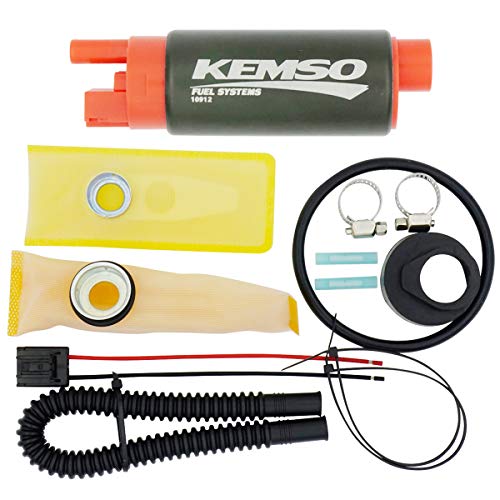
The KEMSO 340LPH pump is designed for high-performance applications, supporting up to 600 horsepower in naturally aspirated, turbocharged, and supercharged builds. USA-based support from Kemso technicians helps with installation and troubleshooting. Compatible with gasoline and E85 fuels, this pump is positioned for enthusiasts pursuing significant power gains without sacrificing reliability.
KEMSO 340LPH High Performance (GSS342)
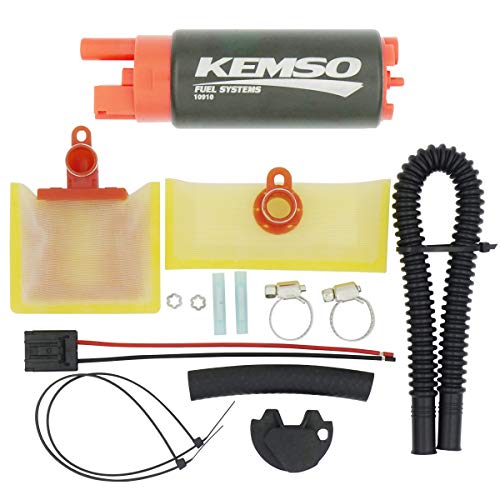
This variant also targets high-output engines, offering the same core benefits as the 340LPH model with a different Walbro replacement reference. It emphasizes gasoline and E85 compatibility, with US-based technical support. For builds aiming at substantial horsepower, this pump provides a robust upgrade path and consistent fuel delivery across a wide pressure range.
AEM 50-1000 High Flow In-Tank
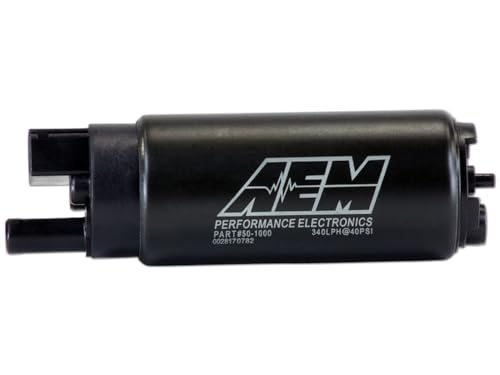
The AEM 50-1000 is engineered for high-output EFI vehicles and is tested to deliver 340 LPH at 40 PSI. Its 39mm diameter makes it suitable for many common in-tank spaces, and the pump includes a pre-filter, hose, clamps, and mounting hardware. With a wide voltage range and compatibility with gasoline (note potential life impact with E85), this pump is a versatile choice for performance builds seeking dependable fuel supply and easy installation.
AdvanEX 255LPH In-Tank Fuel Pump

AdvanEX’s 255LPH pump emphasizes durable OEM-style construction with installation kits included. It’s suitable for both trucks and cars requiring a higher-than-stock flow, and its 1 1/2-inch pump body diameter facilitates installation in a variety of fuel tanks. While designed for straightforward upgrades, professional installation is often recommended to ensure proper fit and wiring. This pump represents a balanced option for mid-range horsepower targets without dramatic fitment concerns.
Aeromotive 340 LPH In-Tank Pump (11542)

The Aeromotive 340 LPH in-tank pump features a 39mm body with an inline inlet design and is built to support both EFI and carbureted systems. It’s engineered to sustain high fuel volumes across a broad pressure range, making it suitable for naturally aspirated, turbocharged, and supercharged engines. Its compatibility with ethanol fuels up to E100 adds versatility for a wide range of performance applications. Aeromotive emphasizes reliable flow stability and durable construction in demanding setups.
Buying Guide: Key Purchase Considerations
Choosing the right in-tank fuel pump involves balancing flow, compatibility, and installation needs. Consider these perspectives to decide which pump best suits your vehicle and goals.
- Flow capacity and horsepower goals: Higher LPH supports higher horsepower, but excessive flow can cause pressure issues if your system lacks appropriate regulation. Match pump flow to your target engine power and injector size.
- Fuel type compatibility: Most pumps listed support gasoline and some are compatible with E85. If you plan to run ethanol blends, verify ethanol tolerance and materials compatibility.
- Vehicle and tank compatibility: Pump body diameter, inlet/outlet fittings, and hanger compatibility determine fitment. OEM-style bodies and included installation hardware simplify swaps.
- Electrical requirements: Ensure your electrical system provides sufficient voltage and current. Some pumps are compatible with a wide voltage range, which can simplify wiring and reduce heat concerns.
- Drivability and reliability: Look for pumps with proven flow consistency at a range of pressures and strong support from the brand, including technical assistance if needed.
- Installation considerations: Kits that include pre-filters, harnesses, and clamps reduce guesswork and potential leaks. Professional installation is often recommended for complex setups.
- Maintenance and lifespan: High-impurity fuels or contaminants can affect lifespan. Regular fuel system maintenance and clean fuel are prudent for long-term reliability.
- Cost vs. value: While price is a factor, prioritize reliability, compatibility, and support. A pump designed for your exact application typically yields better real-world results than a purely high-flow unit.
In summary, the right in-tank fuel pump should align with your engine’s power goals, fuel strategy (gasoline vs. E85), and your vehicle’s tank design. The models highlighted here cover a broad spectrum—from entry-level upgrades to high-flow, race-oriented pumps—each with manufacturer support and installation considerations that help ensure a stable, dependable fuel supply under demanding conditions.