Choosing the right high heat paint for engines, exhausts, and metal components helps protect surfaces from oil, gas, and extreme temperatures. The following selections from Rust-Oleum are designed for intermittent temperatures up to 600°F, 2000°F, or more, with rust-prevention formulas and easy application. This guide highlights top options, practical usage tips, and what to consider when comparing products for engines, mufflers, and hot metal surfaces.
| Product | Color | Best For | Heat Range |
|---|---|---|---|
| Rust-Oleum 363567 Engine Enamel Spray Paint | Gloss Black | Engines and exposed automotive parts | Up to 600°F |
| Rust-Oleum 249340 Automotive High Heat Primer Spray Paint | Gray | Primer base coat on metal surfaces | Up to 600°F |
| Rust-Oleum 363569 Engine Enamel Spray Paint | Gloss Red | Engine components and headers | Up to 600°F |
| Rust-Oleum 248904 Automotive High Heat Spray Paint | Flat Aluminum | High-heat automotive surfaces | Up to 2000°F |
| Rust-Oleum 248932 Engine Enamel Spray Paint | Gloss Black | General engine and exhaust components | Up to 500°F |
Rust-Oleum Engine Enamel Spray Paint — Gloss Black

Engine enamel spray designed for automotive parts exposed to intermittent temperatures up to 600°F. The rust-preventive formula resists oil, gas, grease, and environmental elements including rust and humidity. It dries to the touch in about 20 minutes and covers up to 12 square feet per can. For best results, allow full cure time as indicated on the label before handling or reassembly.
Rust-Oleum High Heat Primer Spray Paint — Gray
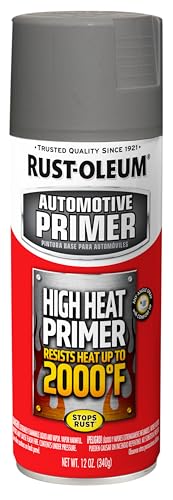
This high heat primer is formulated for metal surfaces such as engines and mufflers. The Stops Rust-based enamel provides a rust-resistant base coat suitable for cars, trucks, and other vehicles. It covers up to 12 square feet, dries to the touch in about 30 minutes, and can be topcoated in one hour, speeding up the repaint process for hot components.
Rust-Oleum Engine Enamel Spray Paint — Gloss Red

Engine enamel in gloss red is ideal for automotive parts exposed to intermittent temperatures up to 600°F. Its rust-preventive formula resists oil, gas, grease, and environmental elements such as rust and humidity. Dries to touch in 20 minutes and covers up to 12 sq ft. Proper curing time is recommended for maximum durability and performance on hot engine surfaces.
Rust-Oleum Automotive High Heat Spray Paint — Flat Aluminum

Specially formulated for surfaces subject to intermittent high heat up to 2000°F. The enamel includes Stops Rust technology to prevent corrosion and extends protection for metal components like exhausts and engine blocks. It dries to touch within 30 minutes and covers up to 10 square feet per can, making it suitable for larger parts or multiple components.
Rust-Oleum Engine Enamel Spray Paint — Gloss Black

Resists heat up to 500°F and is gas and oil resistant with the Stops Rust formula. This gloss black option provides a durable, protective finish for engine components, plumbing, and metal surfaces exposed to high temperatures. Drying time is about 30 minutes to touch, with coverage up to 12 square feet per can, depending on surface texture and porosity.
Rust-Oleum High Heat Enamel Spray Paint — Bar-B-Que Black

Oil-based formula designed to renew and protect metal surfaces subjected to heat up to 1000°F. Suitable for barbeque grills, stoves, radiators, engines, or other metal items. It covers up to 7-8 square feet and dries to the touch in 30 minutes, providing a robust finish for hot exterior and interior components alike.
Buying Guide: Key Purchase Considerations for High Heat Engine Paints
- Temperature tolerance: Match the paint’s heat rating to the intended surface. For engines and exhausts, options rated 600°F to 2000°F cover more applications, with higher ranges ideal for headers and exhaust manifolds.
- Base formulation: Oil-based enamel with rust-preventive properties resists oil, fuel, and humidity. Primers with rust-stop formulas improve adhesion and longevity on metal surfaces.
- Drying and curing times: Quick-drying options (touch in 20-30 minutes) speed up projects, but full cure times ensure maximum durability under heat cycling.
- Finish and color: Gloss finishes highlight components and are easier to clean, while flat or aluminum tones can blend with specific engine aesthetics or exhaust components.
- Coverage and practicality: Consider can size and coverage per can to determine how many coats or components you can treat in a single project.
- Surface preparation: For best results, clean and degrease surfaces, remove rust, and consider a primer for enhanced adhesion on severely pitted or corroded metal.
- Health and safety: Use in well-ventilated areas, follow label instructions, and wear protective gear during application and curing.
- Compatibility with coatings: If applying multiple coats or switching between finishes, ensure compatible layers to avoid peeling or cracking.