The HHO kit market offers several ways to potentially reduce fuel consumption and emissions in passenger vehicles. This article highlights five representative options, summarizes their core features, and provides practical buying guidance to help you compare performance, compatibility, and installation considerations.
| Product | Brand | Engine Range / Use | Key Benefit |
|---|---|---|---|
| Fuel Saving Kit HHO DC1500 For cars | HHOPLUS | General passenger cars | Up to 35% fuel savings, emissions reduction |
| Fuel Saving HHO DC 4000 CAR | Generic | Engines up to 6000 cm3 | Up to 35% fuel savings, broad engine compatibility |
| Universal HHO Oxyhydrogen Gas Torch Flame Generator | KD-TEC | Welding and heating applications | Versatile oxyhydrogen tool with precision controls |
| Fuel Saving HHO DC 3000 Cars | Generic | Engines up to 4000 cm3 | Up to 35% fuel savings, emissions reduction |
| Fuel Saving Kit HHO DC3000 for Cars | HHOPLUS | Engines up to 4000 cm3 | Up to 35% fuel savings, emissions reduction |
The following sections provide concise, objective overviews of each product, focusing on features, potential compatibility, and practical considerations for prospective buyers.
Fuel Saving Kit HHO DC1500 For Cars

The DC1500 kit from HHOPLUS is designed for typical passenger vehicles seeking fuel economy improvements. Claimed benefits include reduced fuel consumption by up to 35% and lower emissions, notably CO and NOx, which may contribute to improved engine longevity. Installation considerations include compatibility with standard engine bays and basic electrical systems. The kit’s emphasis on carbon reduction positions it as a mid-range option for drivers exploring HHO enhancements without extensive mechanical changes.
Fuel Saving HHO DC 4000 CAR

The DC 4000 model from Generic targets larger engines, with stated compatibility up to 6000 cm3. Its fuel-saving claim mirrors other kits in this lineup—up to 35% reduction and emissions improvement—making it appealing for mid-size and larger vehicles. Prospective buyers should verify fitment with their engine management system and consider any required electrical integration. This option may appeal to users seeking broader engine compatibility within a single kit.
Universal HHO Oxyhydrogen Gas Torch Flame Generator
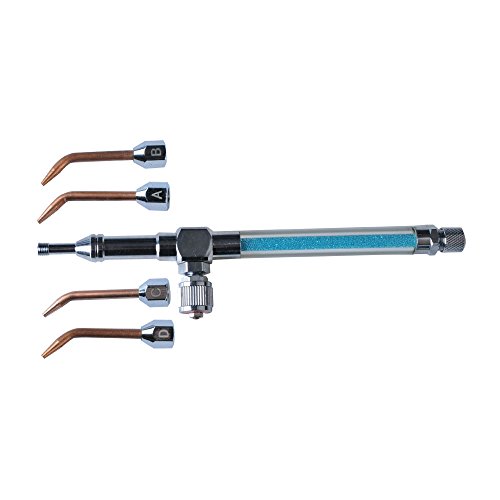
KD-TEC’s universal oxyhydrogen tool is described as a multi-purpose device, suitable for welding, heating, and related tasks. While not a traditional automotive fuel-saving kit, its adaptable design and high-quality materials can appeal to hobbyists and professionals who require precise flame control and diverse copper nozzle configurations. This product stands out for its broader welding and processing applications, with a focus on durability and precision rather than automotive fuel economy alone.
Fuel Saving HHO DC 3000 Cars

The DC 3000 model targets smaller to mid-size engines, offering the same core claims of reduced fuel consumption (up to 35%) and lower emissions. With compatibility described for engines up to 4000 cm3, this option suits many compact and mid-range vehicles. Users should assess electrical compatibility and installation complexity to ensure seamless operation within their vehicle’s electrical system and ECU parameters.
Fuel Saving Kit HHO DC3000 for Cars

The DC3000 HHOPLUS kit is designed for engines up to 4000 cm3 and emphasizes fuel savings of up to 35% along with emissions reductions. This option aligns with typical mid-range vehicles and offers a straightforward integration path for drivers seeking a cost-effective approach to improving efficiency. As with other kits, users should verify electrical connections, warranty terms, and compatibility with existing engine management components before purchase.
Buying Guide: Key Purchase Considerations And Comparisons
When evaluating HHO kits for cars, consider the following dimensions to compare options objectively:
- Engine compatibility: Confirm the engine displacement range supported by the kit and ensure it matches your vehicle’s engine size. Larger engines may require higher-capacity kits, while smaller cars may fit mid-range options.
- Fuel economy claims: Look for independent testing or credible documentation supporting claimed savings. Real-world results vary based on driving style, maintenance, and environmental conditions.
- Emissions impact: Evaluate whether the kit targets CO, NOx, or other emissions. Emission reductions can affect vehicle compliance with local regulations and inspections.
- Installation complexity: Some kits require minimal wiring and calibration, while others may demand professional installation. Consider your mechanical skills and warranty implications.
- Electrical integration: Ensure compatibility with your vehicle’s electrical system and ECU. Poor integration can affect performance or trigger warning indicators.
- Durability and materials: Review build quality, durability of components, and resistance to heat and vibration in automotive environments.
- Warranty and support: Check warranty terms, return policies, and accessibility of customer support or installation guidance.
- Multi-use capabilities: If a product also serves other functions (e.g., welding tools in a universal kit), weigh the added value against potential drawbacks like complexity or safety considerations.
In selecting a kit, balance the engine size and intended usage with the manufacturer’s claims, installation requirements, and reliability considerations. For many drivers, a mid-range option with clear compatibility and robust support offers the best overall value. Always follow the manufacturer’s installation guidelines and consult a qualified technician if you are unsure about electrical integration or system changes.