For enthusiasts seeking reliable powerplants for go karts, ATVs, or small racing builds, selecting the right racing engine is essential. This guide highlights five strong contenders, each with distinct advantages in displacement, cooling, start method, and transmission options. Whether you’re upgrading a go kart or building a beginner-friendly track vehicle, these engines offer practical performance, durability, and compatibility across common mini bike and buggy platforms.
Summary of chosen products:
- YUASDUU 212CC Engine — 7.5 HP, horizontal shaft, 3600 rpm, pull start
- LIYUANJUN 125CC Engine — 125cc, electrical start, 3 forward + reverse, air-cooled
- Kemblawolf 140cc Engine — 140cc, semi-automatic, reverse, electric start
- Knwigoe 212cc Engine — 7.5 HP, OHV, electric start or recoil, 3600 RPM
- LIAPDG 420CC Engine — 15 HP, 420cc, OHV, pull start, long endurance
YUASDUU 212CC Go Kart Engine — 7.5 HP

The YUASDUU 212CC engine offers a 7.5 horsepower output at about 3600 rpm, making it suitable for midrange go kart builds that require reliable power delivery. The engine uses a horizontal shaft with a single cylinder and standard pull-start operation, giving it straightforward use for hobbyists. Notable features include a 0.8-gallon fuel capacity and robust construction using iron, aluminum, and plastic components to resist corrosion and wear. A heat-dissipation design helps maintain performance during extended use. This unit requires attention to crankshaft dimensions before purchase to ensure fitment with existing setups.
Key considerations include the crankshaft diameter and length (20 mm and 50 mm, respectively) and an oil level check to avoid startup issues. If oil is low, add approximately 0.65 liters, ensuring the oil port remains visible when the engine sits level. The engine’s compact design and heat management are attractive for go kart projects that balance weight, cooling, and power. Its fuel efficiency and durable external finish contribute to longer service life in mixed terrain applications.
LIYUANJUN 125CC Engine With Forward, Reverse and Electric Start

The LIYUANJUN 125CC engine is a compact, horizontally mounted 4-stroke, air-cooled unit designed for go karts, ATVs, and bug-free mini bikes. It features a 3-forward, neutral, reverse gear system with electrical start, offering convenient operation for riders of varying skill levels. The engine includes multiple wiring connections for gear indicators, storage battery, trigger coil, and grounding, which helps integrate with existing vehicle electronics. Bore and stroke measurements are typical for this class, with a solid mount footprint compatible with popular brands in the kart market.
With a look at fitment compatibility, this engine supports a range of brands and platforms, including Atomik, Pitpro, Xmoto, Trooper, and Loncin-based machines. The combination of 125cc displacement, 4-stroke efficiency, and reverse gearing makes it a versatile choice for hobbyists seeking optional drivetrain configurations. This engine is best suited for medium-duty track or backyard courses where predictable power and easy starting are valued by pilots and builders alike.
Kemblawolf Racing 140cc Engine With Reverse
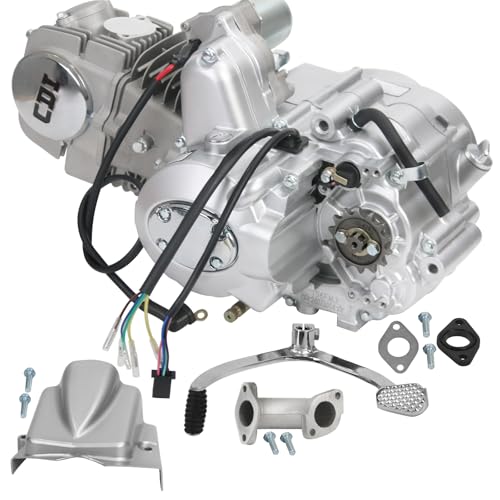
The Kemblawolf 140cc engine is built for go karts and light off-road use with a 3+1 semi-automatic transmission and reverse. The electric start and auto clutch simplify operation for younger riders and utility setups, enabling smoother starts and easier control on challenging terrains. An oil-cooled racing head design enhances heat management, improving durability during extended sessions or competitive events. The engine’s 140cc displacement provides a balance of torque and top-end speed for mid-sized kart builds.
Engine architecture emphasizes durability through an auto clutch, electric start, and a robust cooling strategy. This setup is well-suited for riders who desire straightforward operation with the flexibility of reversing gear for maneuvering in tight spaces or on course layouts requiring precise positioning. Overall, it’s a practical option for hobbyists who value reliability and ease of maintenance on a budget-friendly platform.
Knwigoe 212cc 7.5 HP Go Kart Engine

The Knwigoe 212cc engine combines a 7.5 horsepower output with a hot-sculpted 3600 RPM and a durable OHV design. It uses a recoil or electric start option, giving flexibility for different track setups and rider preferences. The engine features a forged crankshaft, metal cam, and cast iron cylinder liner to support stability and a longer lifespan under demanding use, such as repetitive starts or fast-paced running on semi-highspeed circuits. This unit emphasizes fuel efficiency and reliable performance, making it a solid choice for mid-range go kart projects where strength and consistency matter.
With low fuel consumption in mind, the OHV configuration helps reduce carbon buildup and wear over time. The engine’s design prioritizes easy maintenance, with components that resist wear and provide dependable operation under varying temperatures and loads. Builders seeking a practical, power-packed option for backyard or club-level racing will find this engine notably versatile.
LIAPDG 420CC Gasoline Engine — 15 HP

The LIAPDG 420CC engine delivers around 15 horsepower, making it a robust option for go kart builds, mini bikes, or small machinery like pumps or generators. The OHV single-cylinder, four-stroke design supports efficient cooling and reliable power output. With a 1.43-gallon fuel tank and a high-precision carburetor, this engine emphasizes endurance and cost-effective operation, reducing the need for frequent refueling without sacrificing performance. The hand pull start provides a simple, maintenance-friendly method to bring the motor to life.
Designed for multi-use versatility, the LIAPDG engine supports prolonged sessions without excessive heat buildup and offers straightforward installation on compatible frames. Its practical power band and efficient fuel consumption are attractive for users who prioritize endurance on longer races or continuous operation in utility settings. This engine is best for builders who require a higher power ceiling while maintaining reasonable operating efficiency.
FUJAOPS 420CC 15HP Gas Engine
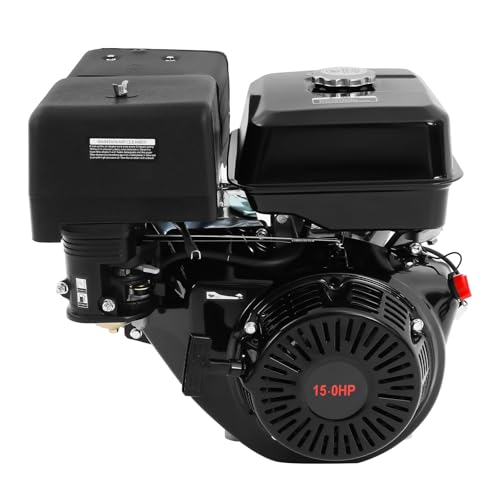
The FUJAOPS 420CC engine provides a strong 15 horsepower output at 3600 RPM, optimized for go-karts, mini bikes, and other small machines that demand reliable torque. The design features a durable horizontal shaft and solid construction using premium aluminum and iron components, contributing to durability and steady operation under demanding loads. A large 1.72-gallon fuel tank and a high-precision carburetor enhance endurance and reduce the frequency of refueling, delivering a practical balance between power and efficiency for track-worthy builds.
Engine deployment emphasizes rugged performance with stable operation under varied conditions, making it suitable for both beginner builds and more ambitious projects. The combination of power, reliability, and fuel efficiency supports longer sessions and more aggressive driving styles without compromising longevity. This engine is a practical fit for hobbyists seeking a strong and dependable power source for go kart projects or auxiliary machinery.
YOXUFA 212cc Carburetor Stage 2 Kit

The YOXUFA kit targets Predator 212cc and similar engines, offering a stage 2 carburetor and exhaust modifications for enhanced air intake and exhaust flow. Compatible with a range of 6.5hp GX160/GX200 platforms and Coleman CT200U variants, this kit aims to improve horsepower and throttle response for mini bikes and go karts. A larger air filter and quality silencer contribute to smoother, more consistent performance across competitive and casual riding scenarios. This option suits builders looking to upgrade carburation and filtration without replacing the entire engine.
Before purchasing, verify compatibility with your specific engine model and frame mounting arrangements. Stage 2 components can influence jetting needs and air-fuel ratio tuning, so plan for potential adjustments during setup. Overall, this kit is a targeted enhancement for riders seeking incremental gains in responsiveness and power on compatible platforms.
ZARKO 140cc Racing Engine With Electric Start

The ZARKO 140cc engine focuses on a compact, rugged build with electric start and a semi-auto 3+1 transmission featuring reverse. Oil-cooled OHC head design helps maintain consistent horsepower and temperature during longer runs or challenging trails. This combination supports reliable performance in go karts and light utility builds where maneuverability and steadiness are important. The engine’s footprint aligns well with smaller chassis while providing competitive torque for track use and off-road practice.
Engine choices in this range emphasize ease of use, with electric start as a convenience for beginners and a robust cooling system to sustain performance. Builders looking for a balance of weight, power, and control will find this option appropriate for youth-focused tracks or entry-level competition frames. Compatibility with common mini bike configurations makes it a practical option for custom builds or upgrades.
Buying Guide: Key Purchase Considerations for Go Kart Racing Engines
- Displacement and power: Higher CC and horsepower translate to faster acceleration and higher top speeds, but weigh against frame strength and weight distribution. Choose a level that matches your chassis and intended terrain.
- Starting method: Electric start offers convenience, while recoil starts are simpler and lighter. Some models offer both, improving flexibility on track days or maintenance windows.
- Cooling system: Air-cooled designs are lighter and cheaper, but oil-cooled or liquid-cooled setups can improve longevity under demanding use. Consider climate, track duration, and maintenance access.
- Transmission and gearing: Semi-automatic, forward/reverse columns, and auto clutch options impact maneuverability and ease of use for beginners. Ensure compatibility with your kart’s transmission and chain drive setup.
- Fuel efficiency and tank size: Larger tanks extend run times between refuels for longer practice sessions. Efficient carburetion and digestion play a role in controlling operating costs over time.
- Durability and materials: Look for forged crankshafts, robust cam systems, and corrosion-resistant components if you anticipate frequent race days or off-road use.
- Installation compatibility: Verify bolt patterns, engine mounts, and exhaust routing relative to your frame. Some engines use standard 20 mm or 50 mm crankshaft measurements; others may require adapters.
- Maintenance accessibility: Engines with modular components and clear service intervals reduce downtime and simplify upgrades for future seasons.
- Support and availability: Replaceable parts, carburetor kits, and compatibility with common go kart brands help with long-term maintenance and upgrades.