Engine knocking, piston slap, and lifter chatter can signal timing, lubrication, or wear issues. Engine treatments and additives claim to reduce friction, dissolve sludge, and quiet noisy components. This guide introduces effective options and keys for selecting an additive that aligns with your engine type, oil, and driving needs. Below are five well-regarded products chosen for addressing knocking and abnormal engine sounds, with objective notes on how they work and what to expect.
| Product | Key Benefit for Knocking | |
|---|---|---|
| Rislone XTREME LUBE Maximum Performance Engine Treatment | Rislone | Reduces friction and removes sludge that can cause noisy valves and lifters |
| Liqui Moly MoS2 Anti-Friction Engine Treatment | Liqui Moly | Forms a high-load film on all friction surfaces to quiet bearing noise |
| Prolube Oil Treatment (Gas & Diesel) | Prolube | Reduces wear and noise, improves smoothness and efficiency |
| Slick 50 Original Engine Treatment | Slick 50 | Advanced ceramic and PTFE protection to lower internal friction |
| Dura Lube Engine Treatment | DURA LUBE | Protects during cold starts and reduces friction for smoother operation |
Rislone XTREME LUBE Maximum Performance Engine Treatment

Rislone XTREME LUBE Maximum Performance Engine Treatment is designed to reduce friction and wear across a broad temperature range. Its multi-grade formula improves oil flow, helping engine components move more freely. The product also targets sludge buildup, which can alter tolerances, stick rings, and plug oil passages. By keeping sludge in suspension until filtration or oil change, it supports smoother operation and can address lifter and valve noise associated with deposits. It is suitable for users seeking a boost in lubrication during high-load or varied driving conditions.
How it relates to knocking
Sludge and varnish can contribute to noisy lifters and rings, which can manifest as knocking or tapping. This treatment focuses on deposit removal and prevention, potentially reducing intermittent knocks caused by restricted oil flow or sticking rings.
Liqui Moly MoS2 Anti-Friction Engine Treatment

Liqui Moly MoS2 Anti-Friction Engine Treatment uses MoS2 particles to form a high-load film on all friction surfaces. The result is reduced wear and smoother engine operation, with a note that better control at high RPMs and quieter performance can follow after treatment. This option is widely used to address rumble or tapping sounds arising from friction and wear, especially in older or higher-mileage engines.
How it relates to knocking
High friction at bearings and piston rings can contribute to knock-like noises. A robust anti-friction film helps dampen metallic sounds and can improve overall engine quietness under load or acceleration, making it a practical choice for addressing knocking symptoms tied to surface wear.
Prolube Oil Treatment (Gas & Diesel)
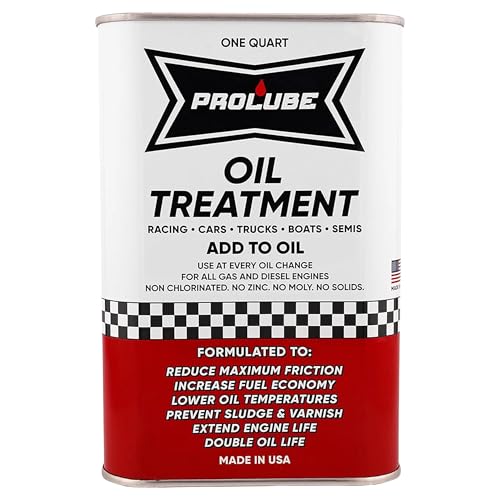
Prolube Oil Treatment aims to maximize overall engine performance by reducing wear and noise, smoothing vibrations, and helping engines run quieter and more efficiently. Its formula also focuses on fuel economy, selecting for engines operating under daily duties or heavier workloads. The product emphasizes protection to extend engine life by reducing friction and wear.
How it relates to knocking
Engine knock can stem from excessive metal-to-metal contact and friction losses. By lowering friction and dampening movement irregularities, Prolube may reduce knock intensity in engines experiencing wear-related contact noise, while promoting smoother operations over time.
Slick 50 Original Engine Treatment
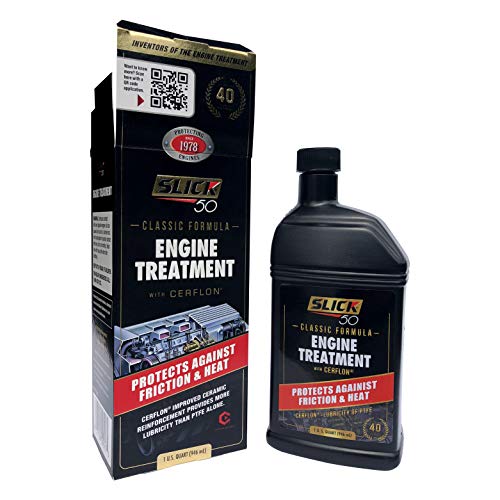
Slick 50 Original Engine Treatment uses ceramic and PTFE technology to form a protective barrier on engine components. This barrier reduces internal friction and heat buildup, supporting engine efficiency and performance. It can be helpful for engines that exhibit noise from friction at higher operating temperatures or under load, potentially contributing to a quieter idle and reduced knocking tendencies.
How it relates to knocking
A low-friction surface reduces resistance in moving parts, which can lessen knock-related noises caused by friction-induced vibrations. The ceramic/PTFE approach is intended to provide durable protection during demanding conditions, aiding quieter operation in compromised engines.
Dura Lube Engine Treatment

Dura Lube Engine Treatment emphasizes reducing friction and wear by forming a protective barrier on internal components. It also highlights improvements in fuel efficiency and better performance during cold starts, where lubrication is critical. This combination can help reduce noise and knocking that arise from startup friction and wear-related sticking.
How it relates to knocking
Cold-start wear and friction are a common source of knocking-like sounds. By delivering lubrication during cold starts and limiting friction thereafter, Dura Lube aims to mitigate such noises and support smoother, quieter engine operation overall.
Buying Guide: Key Considerations For Choosing An Engine Treatment For Knocking
When selecting an engine treatment to address knocking, consider the following factors to match product properties with your engine and driving needs:
- Engine type and mileage: Older or high-mileage engines may benefit more from deposit removal and anti-wear films, while newer engines may gain from enhanced friction reduction and protection against startup wear.
- Lubricant compatibility: Check your current oil viscosity and formulation. Some additives mix best with conventional mineral oil, while others are tailored for synthetic blends or specific brands.
- Knocking vs. other noises: Distinguish sounds caused by friction, sludge, or timing issues. Treatments emphasizing sludge removal address one cause of noisy lifters; anti-friction films address surface wear-related noises.
- High-load and temperature scenarios: If you drive in hot weather, heavy loads, or towing, look for products designed to maintain lubrication across a broader temperature range.
- Startup conditions: If knocking or roughness is most noticeable on cold starts, a product that improves cold-start lubrication can be particularly beneficial.
- Maintenance planning: Additives are typically used between oil changes. Plan for subsequent oil changes to ensure contaminants are removed and the additive’s benefits are maintained.
- Evidence and certification: Look for reputable formulations with demonstrated friction-reduction claims and compatibility with your engine materials.
Practical usage notes include following label directions, using the recommended amount for your engine size, and avoiding mixing conflicting additives. If knocking persists after treatment, it may indicate a mechanical issue requiring inspection by a qualified technician.