Engine additive cleaners help maintain performance by dissolving varnish, deposits, and gum in fuel systems or oil pathways. Below are five top options, spanning fuel system cleaners, oil flushes, and multi‑purpose additives. Each product includes a quick overview of its key benefits to help you compare quickly and choose the right cleaner for your needs.
Summary Of Chosen Products
| Product | Brand | What It Does | Where To Buy |
|---|---|---|---|
| STP Ultra 5 In 1 Fuel System Cleaner | STP | Deep cleans fuel system, reduces friction, boosts performance | Amazon |
| Lucas Oil 10003 Fuel Treatment | Lucas Oil | Treats gasoline and diesel, cleans and lubricates fuel system | Amazon |
| Liqui Moly Pro-Line Engine Flush | Liqui Moly | Flushing of oil systems, seals safe | Amazon |
| STA-BIL Fast Fix Small Engine Treatment | STA-BIL | Carburetor and injector cleaning, water removal | Amazon |
| Sea Foam Motor Treatment | Sea Foam | Deep fuel and oil system cleaning for gas and diesel | Amazon |
STP Ultra 5 In 1 Fuel System Cleaner
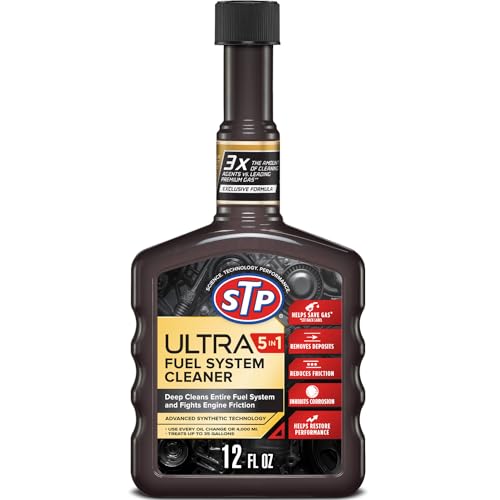
STP’s Ultra 5 in 1 formula is designed to deep clean the entire fuel system while helping to reduce engine friction. The blend includes PEA and PIBA detergents, which are known for their strong cleaning action on varnish and gum deposits. With a 12 oz bottle, the product targets intake valves, injectors, and combustion chambers to restore smoother operation and potentially improve throttle response. This cleaner is positioned as a multipurpose option for gasoline engines, and it claims to deliver three times the cleaning power compared with some premium gasoline cleaners. For engines facing deposits and friction-related inefficiencies, this product provides a straightforward maintenance boost.
Key features include: a deep cleaning action across the fuel system, detergents that target harmful deposits, and a formulation intended to reduce friction. It’s compatible with typical gasoline engines and can be used as part of routine maintenance or as a response to rough running. Users should follow the labeled dosage recommendations and ensure the engine is in the appropriate operating state when adding the cleaner. The product’s focus on cleansing deposits and mitigating friction makes it a solid general option for daily drivers seeking smoother performance.
Lucas Oil 10003 Fuel Treatment

Lucas Oil 10003 Fuel Treatment is marketed as a comprehensive tune-up in a bottle for gasoline and diesel engines. The product cleans and lubricates the fuel system, including injectors, carburetors, and the combustion chamber, while supporting improved fuel economy. It’s described as the world’s #1 fuel additive for both gasoline and diesel engines, suggesting broad consumer recognition. The formula is designed to treat the fuel itself and the fuel system, aiming to restore smoother operation and potentially more consistent MPG. For vehicle owners seeking a broad, all-in-one maintenance option, this fuel treatment offers a multifaceted approach.
In practice, the product’s features emphasize cleaning and lubrication within the fuel path, contributing to smoother starts and more reliable combustion. By addressing deposits in injectors and related components, it can help improve performance in engines that have accumulated varnish or gum. As with any additive, results can vary based on engine condition, fuel quality, and driving patterns. The Lucas Oil treatment is positioned as a durable option for frequent users looking for a simple, one-bottle solution.
Liqui Moly Pro-Line Engine Flush

Liqui Moly Pro-Line Engine Flush is an easy, oil-system flushing solution suitable for gasoline and diesel engines. The product emphasizes a gentle yet rapid cleaning action, designed to be neutral to seals and materials in the engine. It targets sludge and varnish that can accumulate in oil passages, potentially helping to restore smoother oil flow and support engine cleanliness. This option is positioned for drivers who want a dedicated engine flush as part of a maintenance routine or prior to an oil change.
Consumer notes suggest it’s compatible with standard engine oils and can be used without major disassembly. The emphasis on neutral compatibility makes it suitable for a range of engine designs, including older units that may have more deposits. For best results, follow the mixing and application instructions, and plan for a brief flush period with proper oil drainage after treatment. Liqui Moly’s reputation for European-grade motor care is evident in this product’s positioning as a trusted flushing solution.
STA-BIL Fast Fix Small Engine Treatment
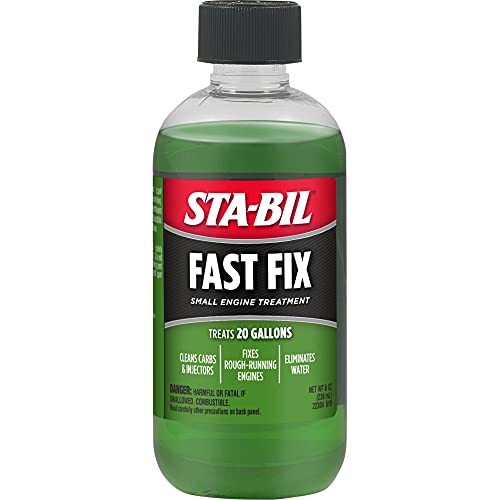
STA-BIL Fast Fix is designed for small engines, focusing on cleaning carburetors and injectors while addressing rough running or starting issues. The 8 oz bottle treats up to 20 gallons of fuel and is ethanol-blend compatible, offering a formulation aimed at removing gum and varnish that can accumulate in small engines used in lawn equipment and power tools. The product also claims to remove water from the fuel system, which can prevent corrosion and improve starting reliability. This option is especially relevant for users with chainsaws, lawn mowers, generators, and similar equipment.
Versatility is a key selling point, with the ability to function across various 2-cycle and 4-cycle engines. The product’s ethanol tolerance and water-removal capability make it a practical maintenance additive when addressing intermittent starting issues or rough idling. For best outcomes, apply according to the 20-gallon treatment guideline and run the engine to ensure the additive circulates through the fuel system.
Sea Foam Motor Treatment

Sea Foam Motor Treatment is a dual-purpose additive designed for both fuel and oil systems, offering a deep cleaning action across the entire fuel system—including injectors, carburetor passageways, intake valves, and combustion chamber areas. The product is marketed for gasoline and diesel engines, with an emphasis on restoring power, improving MPG, and enhancing throttle response. In addition to fuel system cleaning, Sea Foam also serves as an oil treatment for engine lubrication, helping to address sludge and deposits that may clog oil passages.
Sea Foam’s approach targets multiple problem areas: fuel residues affecting combustion efficiency and oil sludge that can impede lubrication. For owners seeking a single product that can be used in both fuel and oil contexts, Sea Foam presents a versatile option. Proper use involves following dosing recommendations and allowing time for circulation during engine operation. The packaging often reflects a value proposition through packs that provide ongoing maintenance support.
Buying Guide: Engine Additive Cleaners
Key considerations when selecting an engine additive cleaner include the fuel system vs. oil system focus, engine type, and driving patterns. For vehicles with a history of varnish or gum buildup in the fuel path, fuel system cleaners that target injectors and intake passages can offer noticeable improvements in throttle response and efficiency. For engines with aging oil passages or sludge concerns, engine flushes and oil-based cleaners can help restore lubrication flow and reduce wear signals.
Compatibility is essential. Verify whether a product is designed for gasoline-only engines or supports diesel applications. Check ethanol tolerance, especially in regions with E10 or higher blends. Some cleaners also claim water-dissolving properties; these are more relevant for small engines and equipment exposed to moisture exposure.
Usage timing matters. Many cleaners work best when added to a nearly full tank and run through a normal driving cycle to ensure full circulation. For oil flushes, follow the manufacturer’s instructions regarding the flush duration and the subsequent oil change to avoid any residue being left in the engine.
Economics and frequency of use should guide selection. If you operate a high-mileage vehicle or frequently drive in stop-and-go conditions, a robust maintenance additive may provide consistent benefits. For seasonal equipment or sporadic use, a smaller, easier-to-apply formula like a small engine treatment could be more appropriate.
Finally, consider professional recommendations if you’re unsure about a cleaning approach. While many products are designed for consumer use, certain engines with specific seals or configurations may benefit from expert advice or a shop‑grade flush. The best choice balances cleaning efficacy, engine compatibility, and the user’s maintenance routine.