Choosing the right diagnostic scanner tool helps diagnose and clear engine codes, monitor live data, and verify repairs across a wide range of vehicles. This article highlights five top options, detailing their capabilities, strengths, and ideal use cases. Whether you’re a DIY enthusiast or a professional shop, these scanners cover common requirements such as code reading, live data, I/M readiness, and service resets.
| Product | Brand | Key Strengths |
|---|---|---|
| ANCEL AD310 Classic | ANCEL | Easy code reading/clearing, quick live data, compact design |
| WEJOWE OBD2 Scanner | WEJOWE | Extensive DTC library, multi-language support, wide vehicle compatibility |
| Autel Scanner MaxiCOM MK808S | Autel | Bi-directional control, 28+ services, broad compatibility |
| BLCKTEC 460T | BLCKTEC | All-system diagnostics, 12+ reset functions, real-time data |
| FOXWELL NT604 Elite | FOXWELL | ABS/SRS/engine/transmission scans, out-of-the-box usability |
ANCEL AD310 Classic Enhanced OBD II Scanner
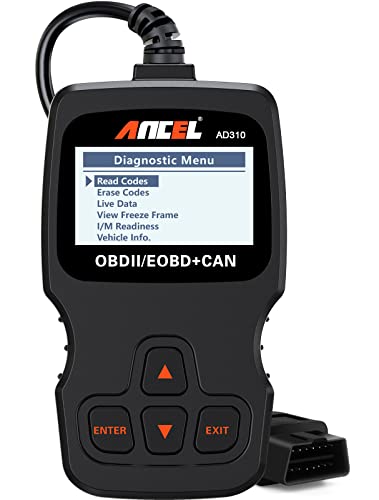
The ANCEL AD310 is a popular, budget-friendly OBD II scanner designed for rapid fault-code identification and clearance. It reads and clears engine trouble codes for emission systems, displays freeze-frame data, and shows I/M readiness. A key feature is its straightforward operation, which appeals to both DIYers and professional technicians who need quick turnaround times. The device powers directly from the vehicle’s OBDII port, avoiding the need for batteries or chargers. The AD310 is compact, weighing roughly 12 ounces with a durable 2.5-foot cable for flexible use under a hood.
WEJOWE OBD2 Diagnostic Tool

The WEJOWE OBD2 scanner emphasizes its large DTC library and language versatility. It can identify the root cause of engine issues, read and clear codes, and display freeze-frame and live data streams. With broad compatibility for vehicles from 1996 onward and multilingual support (10 languages), this tool is well suited for international users or households with multiple language needs. It also includes VIN retrieval and a battery voltage check, adding diagnostic depth for a broader range of scenarios.
Autel MaxiCOM MK808S
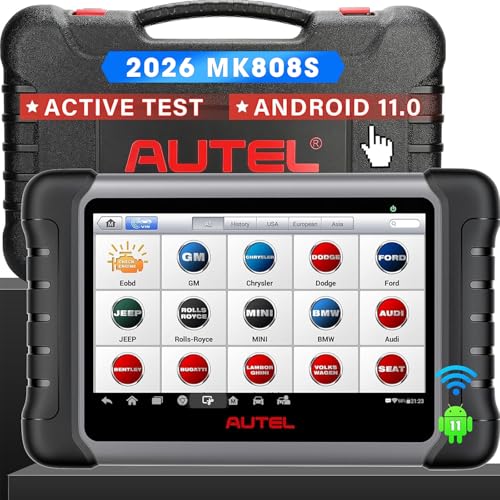
The Autel MaxiCOM MK808S is a high-end bi-directional diagnostic tool known for its broad service coverage and active tests. It supports 28+ service functions, including some body and chassis procedures, and offers full-range system diagnosis across many makes. While some advanced programming options may require higher-tier models, the MK808S provides robust live data, sensor readings, and injector testing, making it a strong option for shops and serious enthusiasts who want more than standard code reading and basic scanning.
BLCKTEC 460T OBD2 Scanner

BLCKTEC 460T offers comprehensive all-system diagnostics and a broad suite of reset functions, including Oil, TPMS, EPB, SAS, DPF, and Battery resets. It provides real-time data, freezing frames, and OEM live data across engine, transmission, ABS, and SRS. Functionality guidance emphasizes checking compatibility for your vehicle model before purchase, as feature availability can vary by vehicle. The 460T is positioned as a professional-grade tool suitable for both technicians and serious home mechanics seeking dealer-like capabilities at a more approachable price.
FOXWELL NT604 Elite

The FOXWELL NT604 Elite is designed for car owners who want a versatile, out-of-the-box diagnostic solution. It scans multiple systems (ABS, SRS, engine, transmission) and supports I/M readiness checks, live data streaming, and DTC lookup. It’s marketed as an affordable, reliable health monitor that helps users identify root causes before repairs. Note that while it covers several systems, it remains a tool for diagnostics rather than a repair device, requiring actual repair work to clear certain codes or reset notifications.
Buying Guide: Key Purchase Considerations
- Vehicle compatibility: Ensure the scanner supports your vehicle year, make, and model. Some tools focus on 1996+ OBD II cars, while others offer broader compatibility with FCA AutoAuth, CAN FD, or DOIP protocols. Use compatibility checkers or manufacturer guidance to confirm.
- Scope of diagnostics: Decide between basic code reading and advanced functions. If you want bidirectional control, live data graphs, or reset capabilities (oil, TPMS, ABS, etc.), prioritise tools with these features.
- Bi-directional control vs. run-to-fix: Bi-directional tools can command components to test responses, which is valuable for deeper diagnostics. Basic readers read codes and monitor data but can’t actuate components.
- Live data and data presentation: Look for real-time data streams, graphing, data replay, and export options. Clear displays and intuitive menus reduce time to diagnosis.
- Data library and updates: A robust DTC library speeds up fault-code interpretation. Consider update policies, subscription requirements, and whether updates are included in the purchase or billed annually.
- User interface and language: Multilingual support is beneficial for diverse environments. A straightforward UI with clear menus helps both beginners and professionals.
- Device durability and portability: Weight, cable length, and build quality matter for on-the-road or under-hood use. A compact, well-built unit reduces fatigue and damage risk.
- Support and add-ons: Access to customer support, additional adapters, and feature-rich subscriptions can influence long-term value.
When selecting a diagnostic scanner tool, align the device’s capabilities with your goals—whether you need quick code clearing for simple repairs or a comprehensive, shop-grade system with bidirectional testing and extensive service functions. Consider your typical vehicle mix, required languages, and whether you value offline operation or cloud-based updates. The five options highlighted here provide a spectrum of capabilities to match various use cases and budgets.