Parents seeking a single seat that adapts as a child grows can rely on 3‑in‑1 harness boosters, highback boosters, and backless boosters. This guide highlights top options designed for kids around 4 to 7 years old, focusing on safety features, ease of use, and long-term value. Each product below is suitable for forward-facing use and transitions to belt-positioning boosters as children reach the right weight and height. The selections emphasize compatibility with common vehicles and family carpool needs.
| Product | Brand | Type | Weight Range | Link |
|---|---|---|---|---|
| Graco Tranzitions 3-in-1 Harness Booster (Eloise) | Graco | 3-in-1 Harness Booster | 26.5–100 lb | Amazon |
| Graco Tranzitions 3-in-1 Harness Booster (Cinder) | Graco | 3-in-1 Harness Booster | 26.5–100 lb | Amazon |
| Safety 1st Grand 2-in-1 Booster | Safety 1st | 2-in-1 Booster | 40–100 lb | Amazon |
| Graco TurboBooster LX Backless | Graco | Backless Booster | 40–100 lb | Amazon |
| Chicco GoFit ClearTex Plus Backless | Chicco | Backless Booster | 40–110 lb | Amazon |
Graco Tranzitions 3-in-1 Harness Booster (Eloise)

The Graco Tranzitions Eloise offers a 3-in-1 design that grows with your child from forward-facing harness (26.5–65 lb) to a highback booster (40–100 lb) to a backless booster (40–100 lb). This model aligns with industry standards by increasing the weight minimum to 40 lb for booster use, helping meet safety guidelines as kids mature. The No-Rethread Simply Safe Adjust Harness System lets the headrest and harness move together in one motion for quick adjustments. This seat is suitable for families seeking a long-term option with fewer replacements.
Key strengths include a compact footprint suitable for vehicles with tighter back seats and a straightforward adjustment mechanism, which helps caregivers keep the seating position correct without extensive setup. The Eloise version emphasizes consistency in design, making it easier to switch between modes as the child grows, and the 40–100 lb range covers a broad age window commonly seen in children aged 4 to 7.
For multi-child households or carpooling, the booster’s size can impact whether it fits three-across in the back seat. Always verify fit in your specific vehicle and with any existing car seats to ensure snug installation and proper belt routing. Regular checks on harness height and seat position are advised as your child’s measurements change.
Graco Tranzitions 3-in-1 Harness Booster (Cinder)

Like the Eloise variant, the Graco Tranzitions Cinder is a 3-in-1 harness booster designed to accommodate a growing child from a forward-facing harness to a highback booster and finally a backless booster. The product emphasizes a no‑rethread harness that adjusts with the headrest for streamlined operation and consistent fit. The broadened 40–100 lb weight range aligns booster use with typical 4–7 year old needs, while the forward-facing stage supports kids who still require a harness for safety.
Adaptability and a compact footprint are notable advantages for families with limited back-seat space. The Cinder version shares the same core safety features with its Eloise sibling, providing a consistent user experience across colors and aesthetics. As with all 3-in-1 seats, it’s important to periodically verify that the harness slots and headrest align with your child’s shoulder level to maintain proper protection during travels.
Safety 1st Grand 2-in-1 Booster
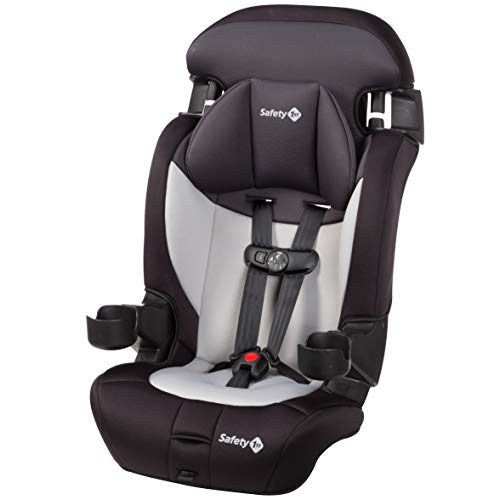
The Safety 1st Grand 2-in-1 Booster converts from a forward-facing harness booster (40–65 lbs) to a belt-positioning booster with high back (40–100 lbs). Its slim seat design is intended to fit three-across in many vehicles, enhancing versatility for carpooling and multi-child households. The seat remains lightweight for easy transfer between cars, a practical feature for families on the go who require flexible booster seating options without sacrificing safety.
For parents balancing space with protection, this model provides a straightforward transition path as a child grows. The belt-positioning booster mode emphasizes a proper belt fit and shoulder belt routing to help ensure safe restraint. As with all booster seats, frequent checks for fit and belt positioning are recommended, particularly when switching vehicles or adjusting seating arrangements.
Graco TurboBooster LX Backless (Rio)

The Graco TurboBooster LX Backless is designed for big-kid transitions, supporting children from 40 to 100 pounds and up to around 57 inches in height. This backless booster uses a Front-adjust LATCH system to help secure the booster in place, providing stability when the child sits down and moves. The design focuses on quick, simple installation and high belt-positioning accuracy, ensuring a proper fit with the vehicle’s seat belt system.
Backless boosters are often chosen for three-across arrangements or for families seeking a lightweight option. While they lack a backrest, proper belt fit and head support in the vehicle remain critical concerns. This model offers a practical, minimalistic choice for older children who require a boost but not a full backrest in every ride, provided seat belt fit remains correct across vehicles and seating configurations.
Chicco GoFit ClearTex Plus Backless
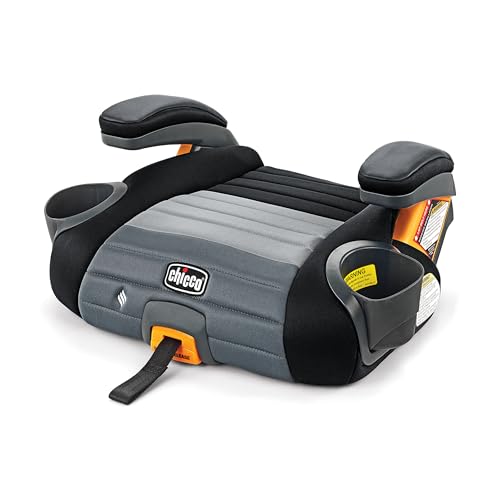
The Chicco GoFit ClearTex Plus Backless Booster is designed for children who are at least 4 years old and weigh 40–110 pounds. It includes LATCH for stabilizing the seat during entry and exit, plus a quick-release design for one-handed removal. The integrated belt guides and shoulder belt clip help ensure a proper fit with the vehicle seat belt, while the ErgoBoost contoured seat with extra padding provides comfort for longer trips. This option is ideal for families seeking a lightweight, portable booster that’s easy to transfer between cars.
GoFit’s focus on ease of use, portability, and precise belt routing makes it a strong choice for families who value quick transitions between vehicles and straightforward installation. As with all backless boosters, ensure the seat belt sits correctly across the child’s lap and shoulder in every vehicle and adjust as necessary to sustain a safe fit.
Buying Guide: Key Considerations For 4–7 Year Olds
Safety and growth compatibility are the core concerns when choosing a car seat for four to seven-year-olds. The following points cover multiple perspectives, including safety standards, vehicle fit, and daily practicality.
- Seat type and growth path: 3-in-1 harness boosters provide the longest use span, transitioning from forward-facing harness to highback booster to backless booster as weight and height require. For riders who still need a harness at age 5 or 6, a 3-in-1 seat can reduce the need for multiple purchases.
- Weight and height ranges: Look for seats with at least a 40–100 lb booster range. This aligns with common age ranges where kids shift from harnessed to belt-positioning boosters.
- Ease of adjustments: No-Rethread harness systems and adjustable headrests simplify fit as children grow. Quick-attach LATCH or easy belt routing improves ease of use for caregivers and carpool partners.
- Vehicle compatibility: Slim seat designs and three-across configurations can be decisive in family vehicles with compact back seats. Always test fit in your car with your child’s clothing and boosters to ensure proper belt routing.
- Portability: Lightweight booster designs facilitate moving seats between cars or cars for different activities, such as school drop-offs, carpool days, or trips with different vehicles.
- Safety standards and certifications: Ensure seats meet applicable federal safety standards and are certified for forward-facing and belt-positioning modes. Periodic checks on installation and belt fit are essential for ongoing safety.
- Maintenance and comfort: Look for seats with breathable fabrics and contoured padding to support longer rides. Comfort can encourage proper posture and seat belt usage on trips.
- All-in-one vs. modular: While 3-in-1 seats offer growth, some families prefer separate specialized boosters. Weigh convenience against potential weight and installation differences across models.
In evaluating these five options, consider your child’s current weight and height, your vehicle’s back-seat space, and how often you travel with other children. The best choice balances long-term use, fit in your car, and straightforward operation for caregivers. Always follow the manufacturer’s installation instructions and consult your vehicle’s manual for compatibility notes before purchase.