Choosing the right brush for applying clear coats can dramatically impact the look and durability of wood finishes. This guide highlights five high-performing brushes that excel with polyurethane, varnish, and other clear coatings. From foam brushes engineered for minimal brush marks to natural bristle options designed for oil-based finishes, these picks cover a range of project needs and budgets. Each product includes practical features to help you achieve a seamless, glassy finish with or without staining.
| Product | Brush Type | Best For | Material |
|---|---|---|---|
| Wooster 3103-2 Foam King | Foam | Smooth coats, large flat surfaces | Polyurethane foam |
| Wooster Q3211-2 Shortcut Angle Sash | Angular sash | Tight corners, trim work | Nylon/Poly blend |
| Wooster 3103-1-1/2 Foam King | Foam | Even coats, smaller projects | Polyurethane foam |
| Linzer 8505 Foam Brush | Foam | Detail work, crafts | Foam |
| Minwax Oil-Based Topcoat Brush | Natural bristle | Oil-based topcoats, polyurethane | Natural bristle |
Wooster 3103-2 Foam King Paintbrush, 2-Inch
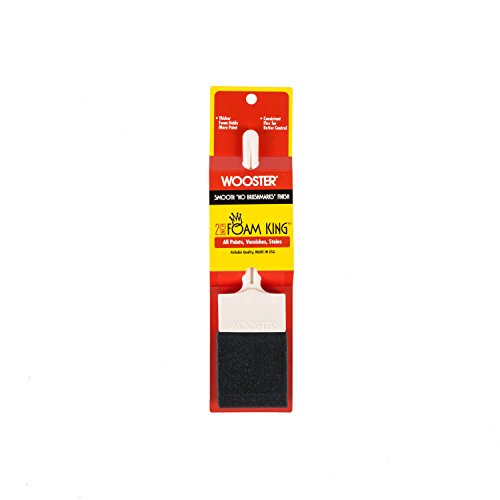
The 2-inch Foam King from Wooster uses thick polyurethane foam designed to minimize brush marks when applying clear coats to tables, frames, and doors. Made in the USA, it supports a clean, even laydown for varnishes and stains in addition to polyurethane coatings. The white plastic handle includes a built-in stiffener blade to help maintain consistent flex and neat results, reducing the chance of nibs or runs in the finish. This brush is well-suited for broad surfaces where a smooth, glassy sheen is the goal.
Wooster Q3211-2 Shortcut Angle Sash, 2-Inch

This 2-inch angle sash brush combines maneuverability and control in tight spaces. Its compact purple Shergrip handle measures only 2 inches, enabling precise work around details and contours. The white nylon and gold polyester blend bristles are suitable for various paints, and the brass-plated steel ferrule ensures durability. The Q3211-2 is ideal for clear coatings applied to corners, edges, and trim where a traditional wide brush would struggle to reach.
Wooster 3103-1-1/2 Foam King, 1-1/2-Inch

This 1.5-inch Foam King offers the same high-quality, USA-made construction as larger Foam King brushes, with a slightly smaller profile for tighter projects. The thick polyurethane foam helps deliver a smooth, even finish with minimal brush marks, while the white plastic handle’s built-in stiffener blade supports consistent flex and neat results during long sessions. It’s a versatile choice for doors, rails, and drawers where a fine, flawless clear coat is required.
Wooster 3103-3 Wooster 3913 Deluxe Assortment

While primarily marketed as a factory sale assortment, this Wooster kit includes high-quality brushes suitable for clear coats across various scales. The set emphasizes a strong finish with polyurethane foam, and the white plastic handle with a built-in stiffener blade helps maintain reliable flex and neat results. This option is valuable for hobbyists or professionals who want a go-to set that covers multiple brush sizes for different surface areas.
Minwax Oil-Based Topcoat Brush, 1-1/2 in.

The Minwax topcoat brush features natural bristles designed to optimize absorption and hold for oil-based clear coatings. It is well-suited for polyurethane and other oil-based finishes where a durable, smooth glide is essential. The natural bristle construction supports a glassy, even laydown that helps minimize lap marks and brush strokes. This brush is a practical option for larger projects where oil-based products are preferred for durability and depth of color.
Buying Guide: Key Considerations For Clear Coats
Choosing the right brush for clear coatings involves balancing finish quality, surface type, and application method. Foam brushes generally excel at producing ultra-smooth film layers on flat surfaces, with minimal brush marks, but may be less durable for heavy coats or angled edges. Sash or angular brushes provide flexibility for trim work and corners, ensuring clean lines around molding and cabinetry. Natural bristle brushes are favored for oil-based finishes due to their ability to hold more coating and deliver a polished sheen, while synthetic blends work well with water-based products.
Surface compatibility is crucial. For soft woods or repairs, a fine-tuned brush with minimal splintering helps protect grain integrity. For broader boards, a wider foam brush or a high-quality sash brush reduces lap lines and promotes even curing. Handle design should offer comfort for longer sessions, and ferrule durability prevents bristle loss that could mar the finish. Consider the coating type: water-based polyurethanes dry quickly and often require a super-smooth laydown, while oil-based coatings offer depth and flow but require longer cure times and odor management.
Technique matters as much as tool selection. Maintain a consistent angle, avoid overloading the brush, and work with the grain for the clearest coat. When finishing larger surfaces, use long, even strokes to minimize ridges. For detail work, switch to smaller brushes to prevent runs in delicate edges. If you’re touching up repairs, a fine foam brush or precise sash brush helps blend new coats with surrounding areas without visible transitions.
Maintenance and cleaning extend brush life. Rinse foam and natural bristle brushes promptly after use, following manufacturer guidelines to prevent hardening or bristle bending. Dry brushes upright and in a well-ventilated area to avoid moisture damage. For oil-based products, ensure proper solvent cleaning to preserve bristle integrity. Replacing worn brushes prevents texture changes and ensures consistent application across projects.
In summary, the best brush for your clear coat depends on project scope, finish type, and accessibility. Foam King models offer exceptional smoothness on flat surfaces, while sash brushes handle tight corners with precision. A natural bristle option suits oil-based coatings where depth and glide are prized. For hobbyists or pros, a small assortment covers most common clear coat scenarios and delivers consistent, professional-looking results.